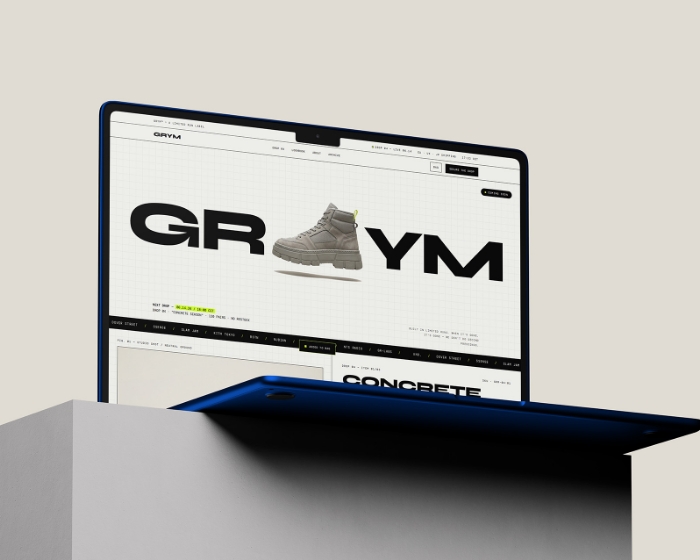
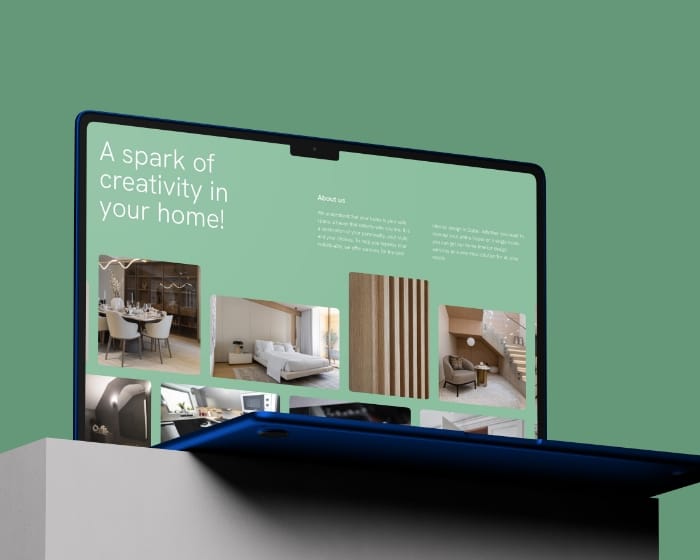
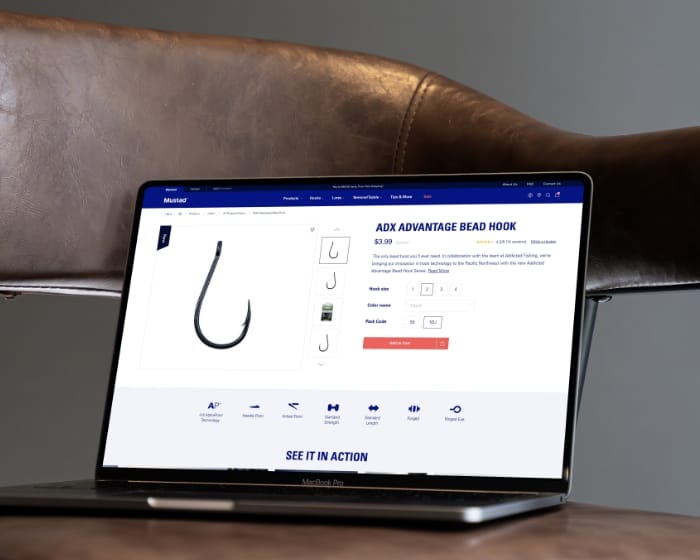
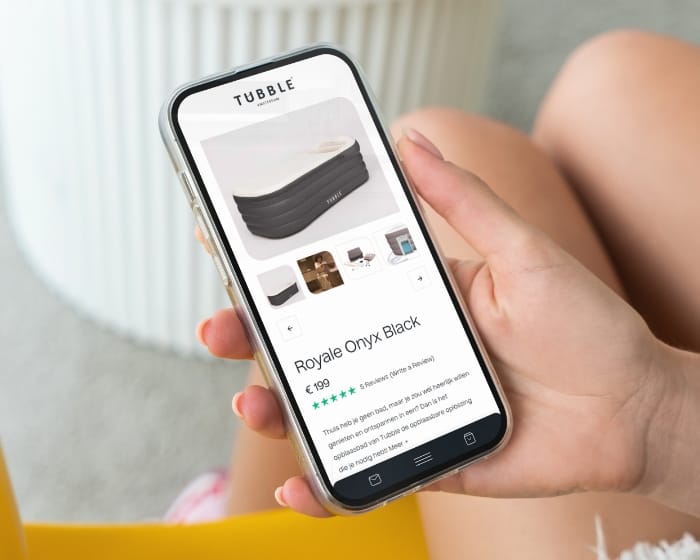
Seen on top review platforms


Most agencies hit the same wall. A client wants a WooCommerce store, and you either turn the work away or scramble for a freelancer you do not really know. White label WooCommerce development is the third option. We build the store, you put your name on it: custom themes, plugin work, integrations, migrations.
Studio Ubique stays behind the scenes. Your client deals with you, signs off with you, sees your brand. We deal with you, on the build. You set the client price and keep the margin between that and the development cost. The arrangement works because it is predictable, which is what you want from a development partner.


Custom product pages, category layouts and checkout flows, built to your client’s brand. The store ships looking like your agency made it, because as far as anyone can tell, you did.
Subscriptions, multi-currency, dynamic pricing, bookings, custom plugin work. The WooCommerce features that go beyond a standard install, built and tested, so you can take on briefs you would otherwise pass on.

CRM, email, SMS and loyalty integrations wired into the store. Abandoned cart recovery, promotions, the marketing plumbing that turns a shop into something that actually sells.
Seven steps from brief to launch. The whole process runs under your brand. Your client sees your agency name, your project manager, your sign-off points. Studio Ubique stays where white-label partners belong, out of sight.
01
We start with you, not your client. Catalogue size, design preferences, payment and shipping needs, integrations, timeline. That brief shapes the project plan. The clearer the brief, the less back-and-forth later.
02
Wireframes first, then high-fidelity designs in Figma, either unbranded or carrying your agency’s brand, your call. You present the work to your client as your own. We iterate until it is signed off.
03
Custom WooCommerce themes, plugin customisation, and API work for payment gateways, ERP or CRM systems. Clean, documented code, so if you ever bring development in-house or switch partners, nobody inherits a mess.
04
Before launch: speed testing, code review, vulnerability scans. Caching configured, images optimised, SSL/TLS set up properly. The store gets checked the way we check our own work, because under white label, it effectively is.
05
Migrating an existing store: products, customer data, order history, and 301 redirects so search rankings survive the move. The redirect mapping is the part most migrations get wrong, so it gets done carefully.
06
You present the demo to your client and run the feedback round under your brand. Once approved, we push to production, run final QA including live checkout and mobile testing, and set up post-launch monitoring.
07
After launch a store still needs maintenance: daily backups, plugin updates, monitoring. You can hand that to us as an ongoing arrangement and present it to your client as your own support package. Our Care, Growth and Partnership packages are built to be resold this way. As the store grows we scale hosting and tune performance to match the traffic.
We’ve been building and maintaining digital products long enough to know what breaks, what scales, and what “urgent” actually means.


Studio Ubique has been building WooCommerce and WordPress sites since 2012, a good share of it white label, under other agencies’ brands. Hundreds of projects, most of which the end clients still think their agency built in-house. That is rather the point.
5.0

“Studio Ubique brought our vision to life with skill, passion, and precision, our website now truly reflects the soul of House of Books.”
5.0
“Studio Ubique revamped our brewery site with stunning UX/UI. Engagement, speed, and mobile retention soared, plus they nailed the brief on time, on budget, and with true creative flair.”
5.0
“Despite our delays and unclear vision, Studio Ubique delivered a flawless site with creativity, patience, and total professionalism.”
5.0
“Simply outstanding. I am blown away by the not only the design expertise, but also the site functionality. Worth every dollar, and I will be coming back for more business. Do not look further - you found your developer here.”
5.0
“Fastest time ever for a premium website. Willing to make changes, always friendly and helpful - 100% recommend for start-ups and large businesses alike.”
5.0
“Studio Ubique boosted our site’s speed, security, and UX. With timely delivery, proactive updates, and expert execution, they’ve become a trusted partner in our digital growth.”
5.0
“From rebranding to web design, Studio Ubique has been a key partner, proactive, efficient, and always exceeding expectations with clear, seamless communication.”
The questions that come up most often, answered here. Yours not among them? Just ask, there's a human on the other end.
You bring the client and the brief, we build the store, and the whole thing carries your agency’s name from start to finish. In practice: you sell the WooCommerce project to your client the way you sell any other service. You hand us the requirements. We build the store, custom theme, plugin work, integrations, the lot. You present the work to your client as your agency’s work, because for every practical purpose it is. Your client never has a reason to know Studio Ubique exists.
The split of responsibility is simple. You own the client relationship: the sales conversation, the pricing, the project management on your side, the sign-off. We own the build: the development, the testing, the technical decisions. Communication runs through you by default, so your client only ever talks to your agency. For agencies that want us closer to the work, we can also join calls as your team, under your brand, but that is a choice, not the default. Most partnerships start fully behind-the-scenes and adjust from there.
Not unless you tell them. White label means exactly that: no Studio Ubique branding on the work, no Studio Ubique signature in the code comments, no Studio Ubique name in the deliverables, the documentation or the handover. Design files carry your brand or no brand. The staging environment sits on a neutral or your-branded URL. When we join a client call, which only happens if you want us to, we are introduced as part of your team.
The code itself is clean and standard WooCommerce, not some proprietary setup that only we can maintain. That matters for you: if you ever bring development in-house, switch partners, or hand the site to the client’s own team, nobody finds a lock-in trap. A white label partnership that only works as long as the partner stays is not a real partnership, it is a dependency. We would rather you stay because the work is good, not because leaving is painful.
The work runs at our standard rate of €60 to €65 per hour across every role on the build: development, design, project management, QA. A typical custom WooCommerce store is roughly 150 hours and up of work, depending on catalogue size, the number of integrations, and how much custom functionality the brief calls for. Migrations, subscriptions, multi-currency and custom plugin work add hours on top. We scope each project before anything starts, so you know the development cost before you quote your client.
You set the price to your client, and you keep the margin between that price and the development cost. That margin is yours to decide, it depends on your market, your positioning and the value you add around the build. For agencies with steady WooCommerce volume, we can also arrange ongoing capacity rather than quoting project by project. The exact terms for that, including any volume arrangement, are worth a direct conversation, since they depend on your expected workload. Book a call and we will work out what fits.
You do, by default. The end client is your client, and keeping that relationship clean is the whole point of a white label arrangement. You handle the sales conversation, the briefing, the progress updates, the feedback rounds and the sign-off. We work from the brief you give us and report back to you, not to your client. Your client experiences a single agency, yours.
That said, the model flexes. Some agencies want us fully behind the scenes and prefer to relay everything themselves. Others, especially on bigger or more technical projects, want a developer who can answer detailed questions directly. In that case we join client calls as part of your team, introduced under your brand, never as Studio Ubique. You decide which model fits each project, and you can change it from one project to the next. What stays constant is that nothing reaches your client with our name on it unless you put it there.
The full range of a WooCommerce build. Custom themes built to your client’s brand rather than off-the-shelf templates. Plugin customisation and custom plugin development for functionality that no existing plugin handles well. Payment gateway integration, including region-specific providers. Integrations with ERP, CRM, inventory, shipping and accounting systems through the WooCommerce REST API or custom hooks. Subscriptions, multi-currency, dynamic and role-based pricing, bookings, and B2B features like quote requests or customer-specific catalogues.
We also handle store migrations onto WooCommerce, from Shopify, Magento, or an older WooCommerce or WordPress setup, including product, customer and order data plus the 301 redirect mapping that protects search rankings. After launch, performance and security work, and ongoing maintenance. What we are upfront about: if a brief is genuinely better served by Shopify than by WooCommerce, we will say so rather than force the platform. A white label partner who only ever recommends the thing they want to build is not giving you honest advice to pass to your client.
A WooCommerce store needs ongoing attention after launch: plugin and core updates, security monitoring, daily backups, performance tuning as the catalogue and traffic grow. WooCommerce specifically needs care around payment modules, checkout and inventory on every update, because that is where a broken update costs the client real money. You can hand all of that to us as an ongoing arrangement, and present it to your client as your agency’s own support package.
Our Care, Growth and Partnership packages are built to be resold this way. Care covers technical stability and monitoring, Growth adds ongoing improvement hours, Partnership adds strategic input. You can white-label any of the three, set your own price, and keep the margin, exactly as with the build. The end client sees one agency handling their store from launch through every month after. We stay where we always are in a white label setup, behind your brand.
Directly, no, and that is the honest answer rather than an evasive one. White label work belongs to the agencies we built it for. Their clients believe that agency built the store in-house, and naming those projects would break exactly the confidentiality the arrangement exists to protect. Any white label partner who shows you a portfolio of their white label clients is telling you how they would treat yours.
What we can show you is the WooCommerce work we have delivered under our own name, which is the same standard of build a white label partnership produces, see our work. On a discovery call we can also walk through the technical detail of past projects without naming the agencies, and talk through references where a partner has agreed to act as one. The build you would get under your brand is the build you see in our own case studies. The only difference is whose name is on it.








Book a quick 30 min video call, we will show you exactly what to fix. We reply within 24 hours.