Studio Ubique builds UX and UI design that gets used, not just admired. Research-led decisions on flow, hierarchy and behaviour. Design systems that survive a six-month roadmap, not just a launch screenshot. The work disappears when it’s right and screams when it isn’t.

Five areas where UX and UI design move the needle on real business outcomes, not just on portfolio photos.

Design starts with how users actually behave, not how we wish they did. User flows, journey mapping, behavioural research, and the willingness to scrap a beautiful screen when the data says it doesn’t work.

Every button, headline, form and visual hierarchy decision is judged against the business goal it serves. Purchase, signup, subscription, demo request, whichever your funnel needs to do. Pretty without purpose is decoration, not design.

Wireframes, interactive prototypes, usability testing on real users (not the project team’s parents). Catching workflow problems in Figma costs hours. Catching them after launch costs sprints.

Designs handed off with documentation developers actually use: design tokens, component libraries, behaviour notes, edge cases mapped. Saves the developer-pings-designer-on-Slack cycle that turns a two-week build into a four-week one.

Design systems with reusable components, documented behaviour and clear ownership rules. New pages come together from existing parts instead of from scratch. Brand consistency that survives the next freelancer, the next agency, and the next pivot.

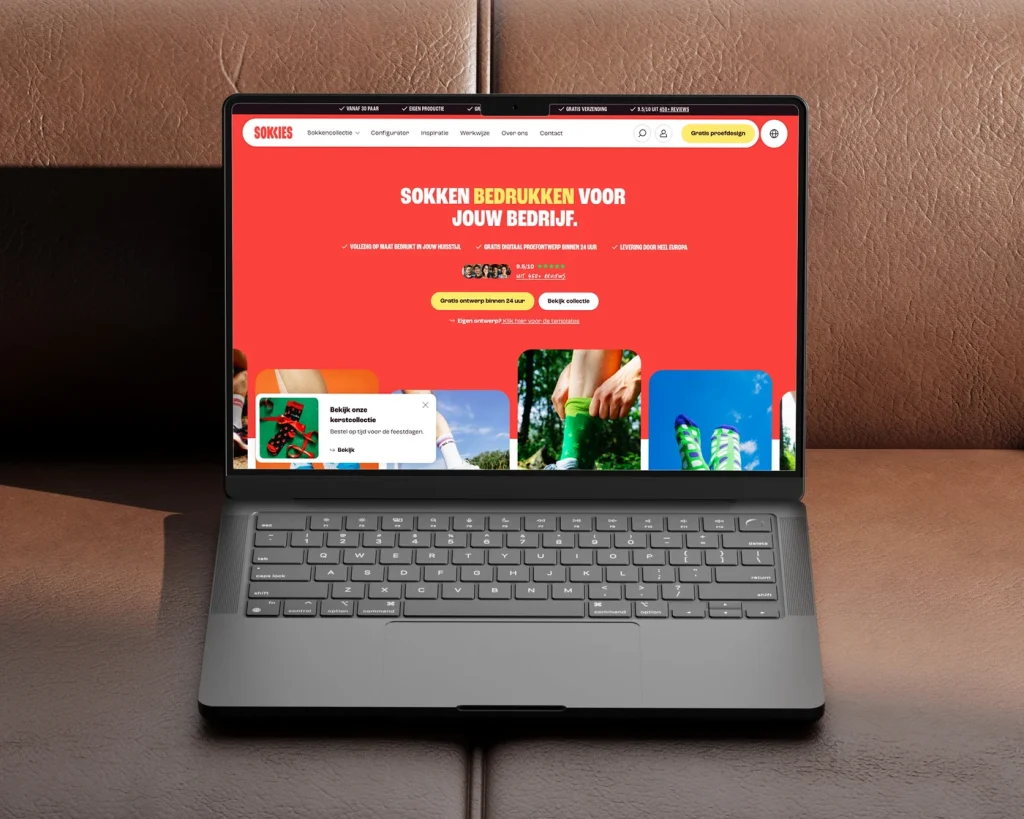
languages from day one
Webshop for custom printed socks, without a checkout
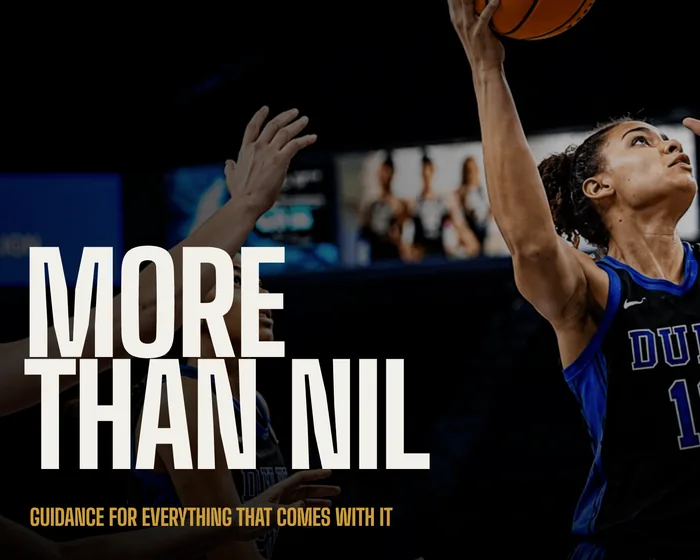
days ahead of a key player event
Athlete management agency website for women’s basketball

weeks for branding and web design
Dark-mode branding and website for a premium software agency
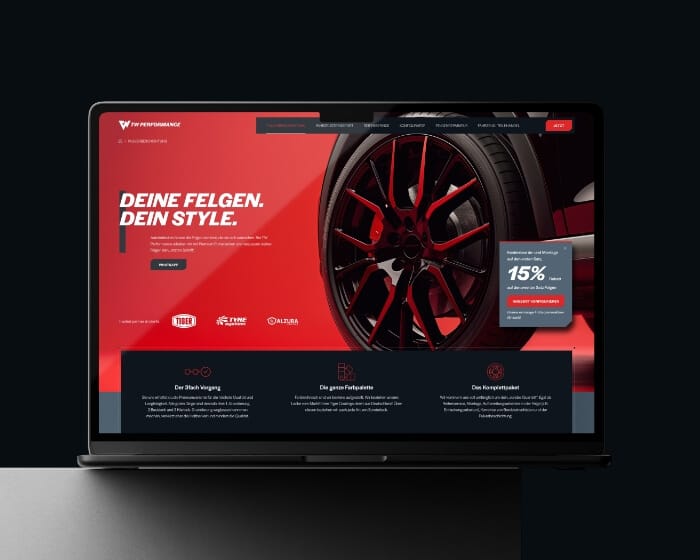
weeks from kickoff to delivery
Performance-driven design for an automotive aftermarket brand
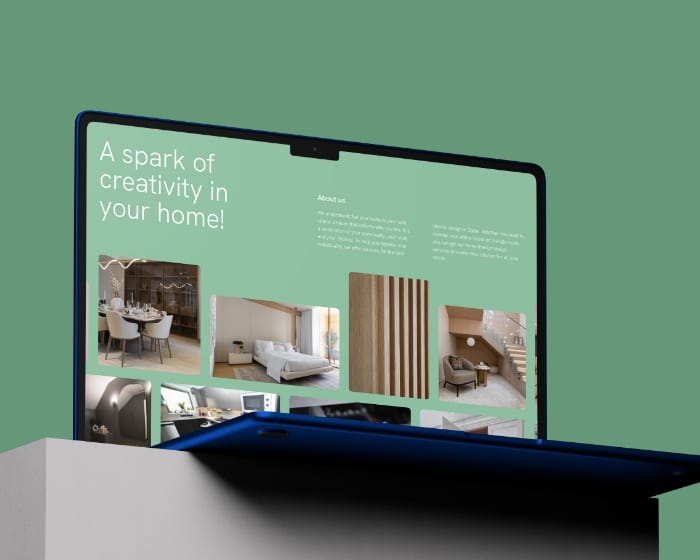
months from kickoff to launch
Custom B2B WordPress website for Pine Tree Lane
Six steps, from the first call to support after handoff. Here's how we approach each project:
01
A week of conversation: goals, audience, what the business needs design to achieve in the next 12 months. We come out with a creative direction and a written scope, not a vague vision board.
02
One to two weeks of research: user interviews where they’re worth doing, competitor teardowns, category convention mapping, current-state usability audit if you’re redesigning. The output is a research summary, not a sympathetic ‘we get it’.
03
Wireframes for the main user paths, low-fidelity enough to argue about structure without anyone getting attached to button colours. Iteration is cheaper here than in any other phase, so we use it.
04
High-fidelity visual design built on the approved wireframes. Brand-aligned, conversion-aware, and tested through clickable prototypes before any line of code is written. You walk through the design and find what’s missing.
05
Final review, then handover to development with everything they need: organised Figma files, design tokens, component documentation, behaviour notes, asset exports. To your team, ours, or whoever’s building it.
06
Optional post-design support during build: answering developer questions, making small adjustments when reality reveals what the prototype didn’t, and reviewing implementation against the design before launch.
Studio Ubique does UX and UI work for companies of 2 to 200 people and agencies, across 15+ countries. Recent projects include eCommerce redesigns, SaaS dashboards, product configurators and luxury brand sites. The portfolio is broader than any single design style.
5.0

“Collaborating with Studio Ubique proved to be an outstanding experience. … The website they developed not only met but surpassed our expectations, seamlessly blending contemporary functionality with vintage allure.”
5.0

“Project compliant with my expectations, good communication with the designer.”
5.0

“The entire process was great.”
5.0
“Studio Ubique did a truly outstanding job on our web design project. … Studio Ubique was outstanding to work with in every way and we're 100.00% pleased with our website design. Absolutely the highest recommendation.”
5.0
“Lennart and the team continue to do really excellent work! They are great at taking direction, but also willing to advise when ideas clash with good design. A great team to work with.”
5.0
“Simply outstanding. … Worth every dollar, and I will be coming back for more business. Do not look further - you found your developer here.”
5.0
“Fastest time ever for a premium website. Willing to make changes, always friendly and helpful - 100% recommend for start-ups and large businesses alike”
5.0
“Studio Ubique has been instrumental in enhancing our online presence. Their design expertise shines through, particularly in the impactful home page they crafted for us. … Their professionalism and creativity make them a go-to choice for any design and development needs.”
5.0
“We've partnered with Studio Ubique for a wide array of projects and services that have left a profound mark on our brand. … The collaboration has been marked by efficiency, clear communication, and a shared commitment to achieving exceptional results.”
5.0
“Impressed by Studio Ubique's expertise and reputation, we made the decision to entrust them with the project. The outcome of our initial collaboration was immensely successful, prompting us to extend our collaboration to encompass additional projects.”
5.0
“I've been thoroughly impressed with their products.”
5.0
“They're very skilled and good at what they do.”
5.0
“They were easy to reach and quickly resolved any issues.”
5.0
“Great quality delivery in a fast time for a good price.. can´t really expect more from a service provider. big recommendation!”
5.0

“My U.S. based company needed a complete re-branding, website design, marketing materials, and development. Studio Ubique provided great work for each part of the project. They are professionals and produce great quality work.”
The questions that come up most often, answered here. Yours not among them? Just ask, there's a human on the other end.
UX/UI design is how your product gets used. UX (user experience) is the structure: what users can do, in what order, with how much friction. UI (user interface) is the surface: visual hierarchy, typography, controls, feedback. Done well, neither gets noticed.
Why it matters for business: conversion rates, retention, support load and churn all sit downstream of UX/UI quality. Our web design service covers the broader website-level work where UX and UI sit together.
UX design is about the underlying flow. How a user reaches a goal: signup, purchase, finding information, completing a task. It involves research, journey mapping, wireframes, interaction logic, the structural work that makes the rest function. UI design is what users see and touch: colours, typography, buttons, hover states, micro-animations and visual hierarchy.
Most projects need both, in roughly that order. UX without UI gives you a usable but joyless product; UI without UX gives you a beautiful product that frustrates the people trying to use it. Strong agencies and strong in-house teams hold the two together rather than treating them as separate disciplines.
Six phases: discovery and alignment (about a week), research and competitive analysis (one to two weeks), wireframes and information architecture (one to two weeks), visual design and prototyping (two to four weeks), design system documentation, then handover to development. We work iteratively, so you see something testable in week two rather than at the end of week eight.
Iterative also means we kill ideas early instead of building them out. If a flow doesn’t work in wireframes, it won’t work in high-fidelity, and it definitely won’t work in production. The team across Zwolle and Chandigarh handles the strategy, design and review side, with development running in parallel when the project needs it.
Yes, and many of our design projects are redesigns rather than greenfield builds. We start by auditing what’s working (engagement data, conversion funnels, heatmaps if available, support tickets, sales objections), then redesign the parts that matter most for your business. We don’t redesign for the sake of redesigning.
For larger sites we phase the work: high-impact pages first (homepage, top product or service pages, conversion paths), the rest in subsequent rounds. SEO equity is preserved where possible, with URL structures kept stable unless there’s a clear reason to change them. Recent project work shows redesigns across eCommerce, B2B WordPress and SaaS dashboards.
Three to six weeks for marketing websites and landing page systems. Six to twelve weeks for web applications, eCommerce platforms or SaaS dashboards. Mobile app design typically runs four to twelve weeks alongside or just ahead of development. Custom design systems for product companies add another two to four weeks on top.
The big variable is how decided you are when we start. Brand direction agreed, content roughly in place, scope clear: shortest end of those ranges. Half-decided brand or content arriving in batches: longest. Mobile app design work follows a similar phase structure with extra time for platform-specific design conventions.
Both. Studio Ubique is a design and development agency, so our designs are built around what’s actually buildable in the stacks we use (WordPress, Laravel, React, Vue, Next.js). That tightens the feedback loop: design decisions get gut-checked against feasibility before they cost three sprints of dev time.
When clients hire only the design and run development internally or with another agency, we provide handover documentation clean enough for any external team to build from: design tokens, component libraries, behaviour notes, asset exports. Development services covers the build side when you want both under one roof.
Pricing is scope-based, not menu-based. We work with a fixed price per project, based on the scope and an hourly rate of €60 to €65 across roles, NL and India team combined.
Cost drivers, in order: number of unique templates or screens, depth of user research required, design system complexity, and how many rounds of stakeholder review the organisation actually needs (this is usually larger than estimated). After a first call you get a proposal with a fixed price, with what’s in and what’s left out.
Contact
Not everyone likes to write. Rather talk to someone first? Book a 30 to 45 minute intro call through Calendly. It's free, and by the end you'll know whether a proposal makes sense.
Book a first call(opens in a new tab)Tell us what's stuck, what you want to build, or what needs fixing. You talk to someone from sales and someone technical, and we reply within one working day. First a conversation, then a plan, only then a price.