How Studio Ubique takes a project from first call to launch. Five phases, written out with deliverables, who’s at the table, and where you get to say yes or no. The page exists because most agency process pages are circles with arrows.


Most agency sites have a page about their process. Five circles, words like ‘discovery’ and ‘ideation’, an arrow pointing from left to right. What actually happens between ‘we had a good chat’ and ‘we can start’ usually stays vague. With us, that’s two to three weeks, sometimes one for a small site, and below is what happens in those weeks. In plain English, with dates, deliverables and the moments where you decide. Whether you’re considering a platform or just wondering if we fit.

A discovery call at Studio Ubique is always with two people. One for sales and project, one for tech. No separate technical call afterwards to confirm whether something’s feasible. By the end of the call we know if this is worth a proposal, or whether we can be honest about fit.

Between the first call and the proposal sits research. For a platform we write a technical scope. For a marketing question a strategic document. For a rebuild an audit of the current situation. Five to ten working days, depending on what’s there. You get the document before the proposal arrives, so you know what we’re talking about.

The proposal has a price (not a ‘starting from’ figure that doubles halfway through), a scope (which pages, features, integrations) and a section ‘what we don’t do’. That last one is usually missing in proposals from other agencies, and is exactly what the scope discussions three months later are about.

No welcome rituals. One working call: access credentials, planning, fixed point of contact on both sides, first deliverables. One hour, and we both know what we’re starting with on day one.

Weekly call of thirty minutes, feedback per round via Figma, email or a video call, launch in stages. Three feedback rounds per design or page, unless the proposal says otherwise. We test on a staging environment first, and nothing goes live until you explicitly approve it. We save the surprises for birthdays.
organic traffic grow in 3 months
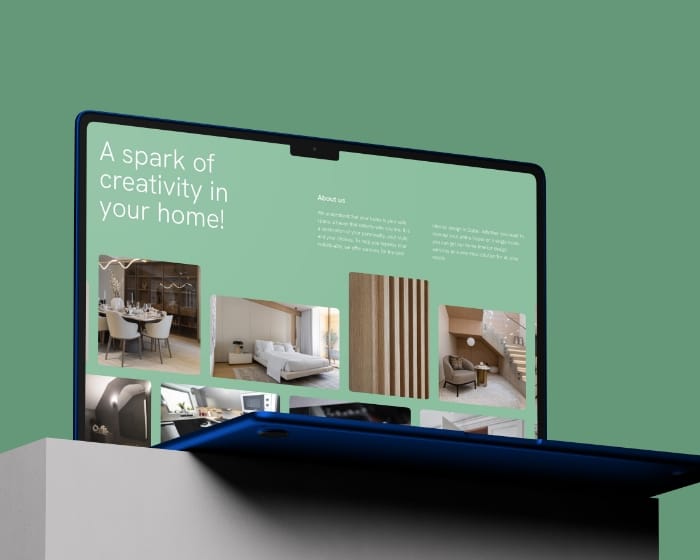
Custom B2B WordPress website for Pine Tree Lane
4x catalogue growth in 2 years
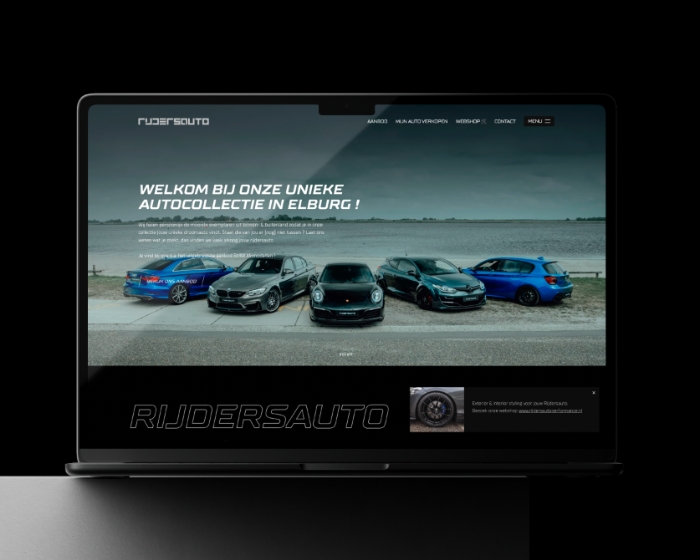
Shopify rebuild for performance parts
more user engagement after redesign
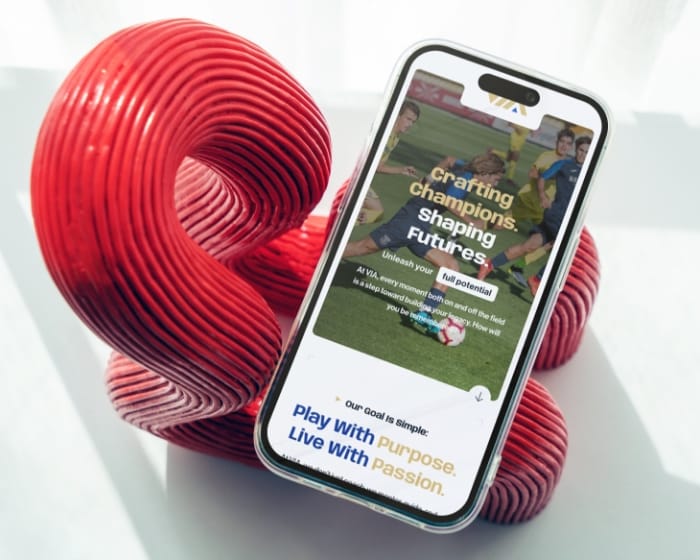
Sports travel website design and WordPress development for Via Sports Experiences
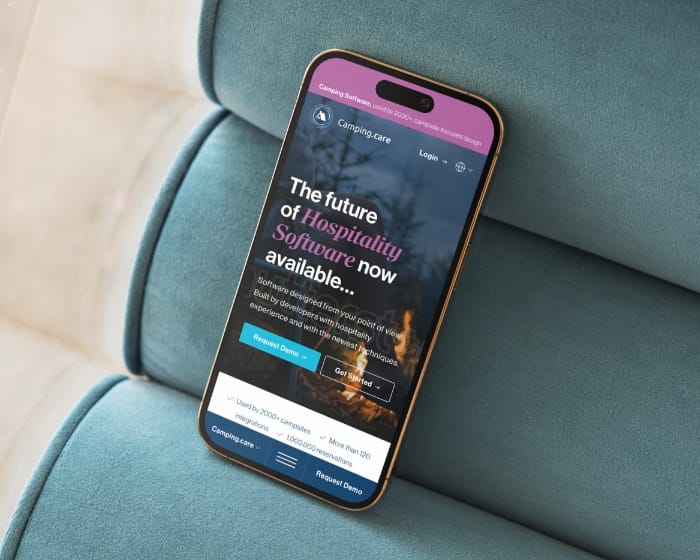
less time spent on web updates each year
WordPress multisite for camping reservation software
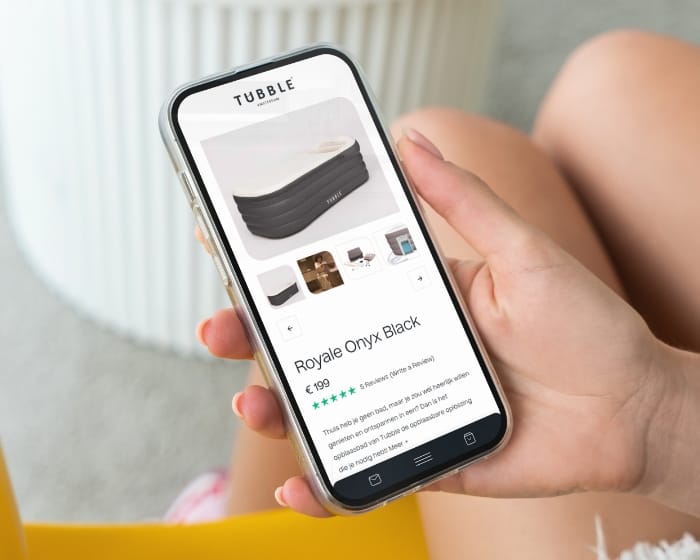
organic growth in just 1 month
Tubble inflatable bathtub WooCommerce website design
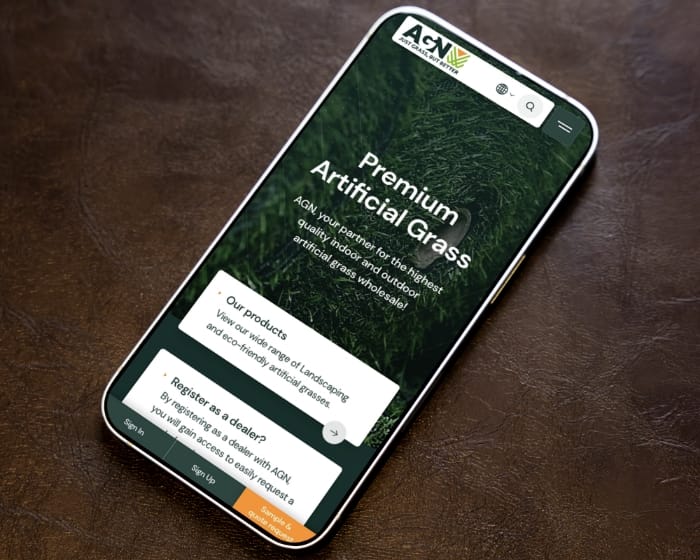
bounce rate & session duration x3 post-live.
B2B artificial grass eCommerce WordPress UX design and development for AGN
Mistakes that rarely show up in a quote. You only notice them three months later when you hit something nobody had discussed, or when the scope conversation starts to sour the whole working relationship.
Studio Ubique has been working since 2012. We deliberately run the same process on every project, even though nobody at the first call knows what'll end up live. The step plan works the same for a small WordPress build as for a platform with API integrations and custom user flows. What happens in each phase differs, the steps don't.
01
Thirty to sixty minutes, via Google Meet. One of us covers the sales and project side: where you stand now, what you want to achieve, what deadline is in your head. The other covers tech: stack choices, integrations, what’s feasible in the time and budget you mention. No sales cycle of three meetings before the first real question gets asked. By the end of this call we know if this is worth a proposal, or whether we can be honest about fit.
02
What happens between the call and the proposal differs by project. For a platform our tech lead, together with the development team, drafts a technical scope with integrations, data model and risk areas. For a marketing question a strategic document goes on the table, with market, audience and hypotheses. For a rebuild of an existing site we do an audit, with technical and content findings. Lead time: five to ten working days. The document goes to you before the proposal, so you can respond to the thinking on substance before the price is attached to it.
03
We write the proposal in our own CRM. It always contains three things: the price, the scope and a section ‘what’s not included’, because without it every scope discussion turns into ‘but I expected that too’. In the investment overview you tick what you do and don’t want to take on. Questions go through email or a quick call, not through a forced form. You sign digitally for approval, and that starts the next phase.
04
One hour, just before the actual start. We sort out access (CMS, hosting, design tools), confirm a fixed point of contact on both sides, and walk through the planning for the first two weeks. No welcome package or celebratory moment. We do hand over a document with all agreements in it, where they weren’t already in the proposal.
05
We work in short cycles, with weekly calls of thirty minutes. Feedback per round via Figma, email or a (video) call. Each design or page includes three feedback rounds, unless the proposal says otherwise. We test on a staging environment, and launch happens only after your explicit approval. After that we stay available for support after launch. If you want ongoing maintenance, that’s covered by our website support.
We’ve been building and maintaining digital products long enough to know what breaks, what scales, and what “urgent” actually means.



Studio Ubique has worked since 2012 with companies that don’t have the time to get to know an agency through three months of misses. We’ve seen the same missteps often enough to know where they start: at the front, in a first call where too little gets put on the table, or in a proposal that was written too quickly.
5.0


“Studio Ubique brought our vision to life with skill, passion, and precision, our website now truly reflects the soul of House of Books.”
5.0

“Project meets my expectations, good communication with the designer.”
5.0

“Studio Ubique revamped our brewery site with stunning UX/UI. Engagement, speed, and mobile retention soared, plus they nailed the brief on time, on budget, and with true creative flair.”
5.0
“Despite our delays and unclear vision, Studio Ubique delivered a flawless site with creativity, patience, and total professionalism.”
5.0
“Studio Ubique continue to do really excellent work! They are great at taking direction, but also willing to advise when ideas clash with good design. A great team to work with.”
5.0
“Simply outstanding. I am blown away by the not only the design expertise, but also the site functionality. Worth every dollar, and I will be coming back for more business. Do not look further - you found your developer here.”
5.0

“Fastest time ever for a premium website. Willing to make changes, always friendly and helpful - 100% recommend for start-ups and large businesses alike.”
The questions that come up most often, answered here. Yours not among them? Just ask, there's a human on the other end.
A first call costs nothing. Thirty to sixty minutes via Google Meet, with two people from our side at the table (one for sales and project, one for tech), so you don’t have to wait for a separate technical conversation to find out if something is feasible.
By the end of the call we know whether this is worth a proposal, or whether we can be honest about fit. No deposit, no commitment, no sales cycle of three meetings before the first real question gets asked.
Five to ten working days, depending on what the project needs. For a platform our tech lead writes a technical scope with integrations, data model and risk areas. For a marketing question a strategic document with market, audience and hypotheses. For a rebuild of an existing site an audit with technical and content findings.
The document goes to you before the proposal arrives, so you can respond to the thinking on substance before a price gets attached. No proposal goes out Friday afternoon after a first call, because a defensible proposal takes research, not half an afternoon of template filling.
Nothing happens. The discovery call, the research document and the proposal itself are free. You keep the document and the proposal. We’ve had useful conversations land at “this isn’t the right moment” or “we’d rather work with someone closer to home”, and that’s also a fine outcome.
What we don’t do: chase you with follow-up emails for three months, or send a watered-down second proposal with a discount attached. If the answer is no, the answer is no, and you can come back when something changes.
Mostly fixed price on the agreed scope, with time and materials for clearly defined extension work. The proposal lists what’s in scope and what isn’t, and quotes a fixed price for the scope. New requests that come up during the project (additions, changes outside the agreed scope) get quoted separately at our standard rate of €60-€65 per hour, with the classification (correction versus new request) confirmed in writing before the work runs.
For ongoing work after launch we offer website support packages with monthly hours and response times, or a dedicated-developer retainer with a fixed monthly capacity. Both are time-and-materials shapes with predictable monthly cost.
Scope changes get classified before any work runs. A correction (where the delivered work doesn’t match the approved design or written specification) gets fixed without extra cost. A new request (anything outside the approved scope: changes to layout, typography, spacing, responsive behaviour, interactions, functionality or content structure not in the approved materials) gets quoted as additional work and counts against the three revision rounds included in the proposal.
Requests beyond the three included revisions get quoted separately at €60-€65 per hour. We confirm the classification in writing before doing the work, so you know whether something falls inside or outside the original scope before time gets billed. That’s exactly the conversation that derails most agency projects, which is why we’d rather have it explicitly than implicitly.
Depends on the project type. For a platform build you get a technical scope document with integrations, data model, third-party dependencies and risk areas. For a marketing question (SEO, paid, conversion) you get a strategic document with market analysis, audience hypotheses and proposed approach. For a rebuild of an existing site you get an audit with technical findings, content findings and prioritisation.
The document is the substance of the conversation. The proposal that follows is the commercial wrapper around it (price, deliverables, planning, terms). Getting the document first means you can respond to what we’re actually proposing to do, before a price tag turns the discussion into a negotiation.
At the first call: two people from our side, one for sales and project, one for tech. After approval: a fixed team for the duration of the project, with overlap between sales, design and development. One point of contact on your side, one on ours, but the team isn’t dependent on a single person. If someone is out sick, the work continues.
For larger projects we agree on a RACI structure in onboarding (who’s responsible, who approves, who’s consulted, who’s informed) so internal stakeholders on your side don’t surprise the work two weeks before launch. We map dependencies on your team early (IT for hosting access, legal for cookie consent text, marketing for content) so those don’t become last-minute blockers.







Book a quick 30 min video call, we will show you exactly what to fix. We reply within 24 hours.


