Studio Ubique designs logos, brand systems, marketing collateral, and illustrations for products that need to look intentional, not improvised. Visual systems that hold up across screens, slides, and physical assets, without needing the original designer in the room every time something gets used.

Graphic design has six common entry points. Most projects involve two or three of them. Here’s what each actually delivers, in plain terms.

Logo, colour palette, typography, and the visual rules that hold them together. The brand identity works at favicon size and on a trade-show banner because the rules live in a document your team can actually find six months later.

Hero banners, ad creatives, landing page visuals, social media graphics. Visual choices made for the metric your campaign actually measures, not for how the work will look in a designer’s portfolio.

Brochures, pitch decks, trade-show graphics, sell sheets. Sales-friendly visual assets your team can edit themselves in PowerPoint or Keynote without breaking the brand the next time someone needs to add a slide.

Custom illustrations and icon systems for products that need their own visual language. The alternative is using stock illustrations that look like every other startup landing page, which is also a choice you can make. Custom takes longer and costs more, and shows that difference exists.

Design files organised so developers can ship without asking five rounds of questions. Design tokens, component naming, spacing scales, and acceptance criteria that match how engineers actually read Figma instead of how designers wish they did.

Reusable components, documented patterns, and rules that let your in-house team design new pages and campaigns without redrafting the visual rulebook every quarter. The investment pays back across roughly three projects.
languages from day one
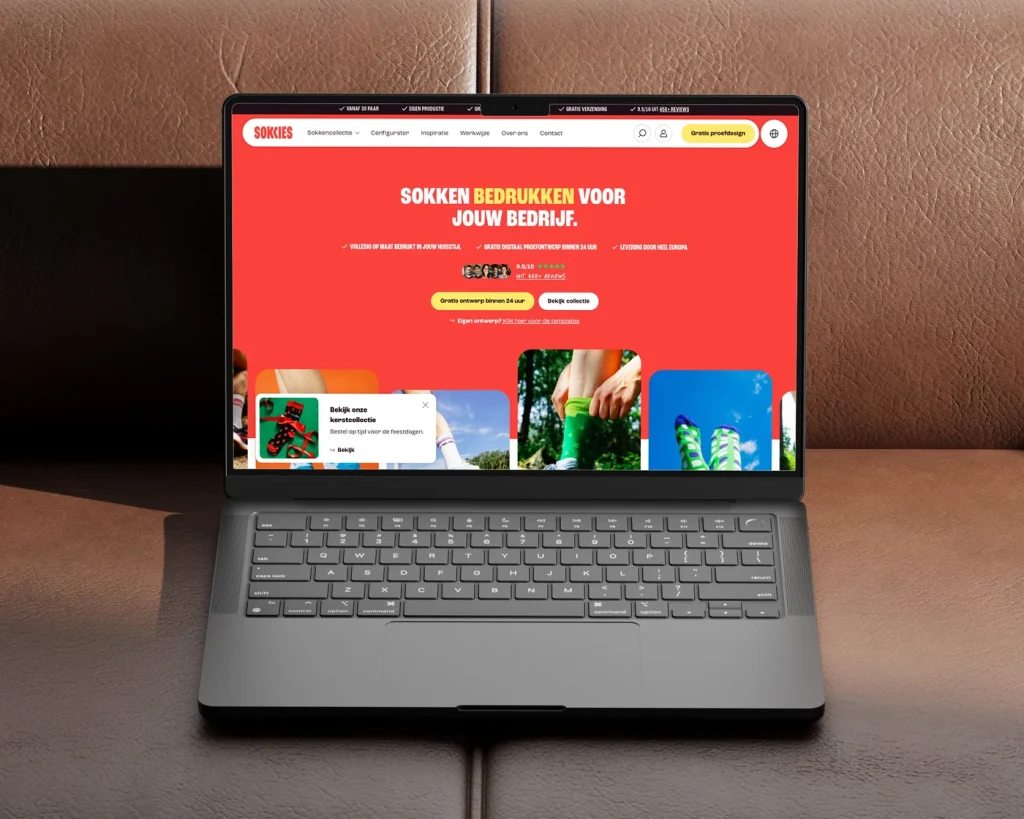
Webshop for custom printed socks, without a checkout

faster development kickoff time after our XD hand-off
Dark-mode branding and website for a premium software agency
increase in engagement after relaunch
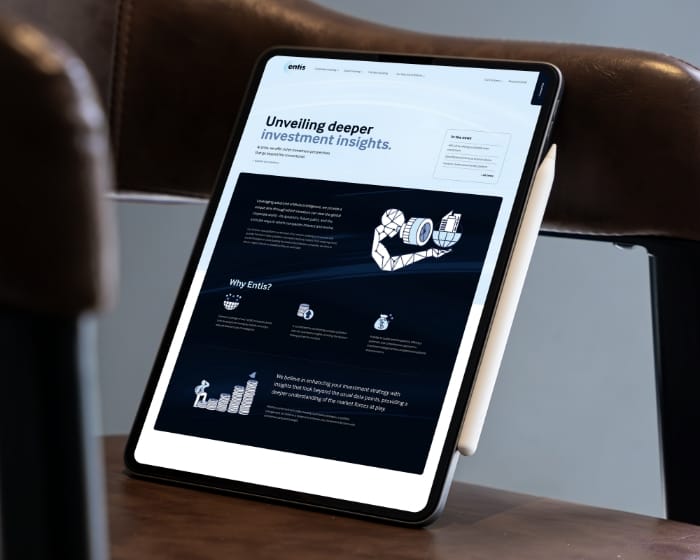
AI investment platform WordPress website design for Entis
more form submissions in mobile view
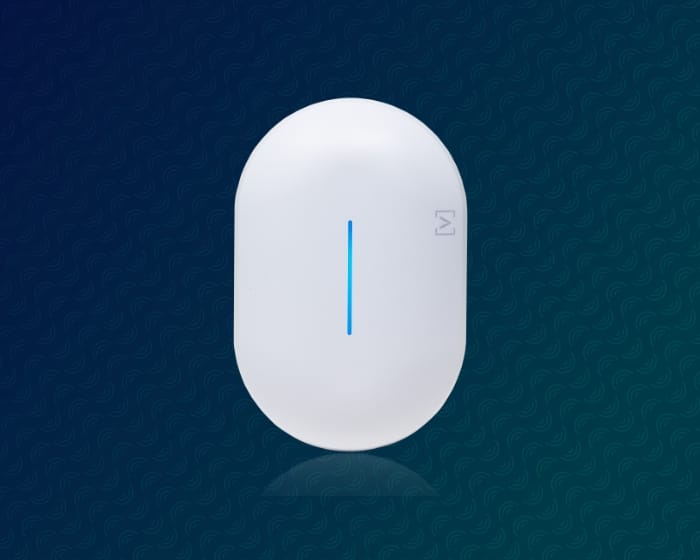
Design support for SaaS accelerator WiseGuysTech

boost in new local visitors
Jimmy’s RV Storage: WordPress website redesign for RV storage facility

longer visitor sessions post-launch
Sea Edge global maritime consultancy WordPress website
Six steps that fit graphic design specifically, not the website design template applied to every service. Most projects move through all of them. A few smaller projects skip step two or six.
01
We start with what the design needs to do: brand launch, campaign asset, sales collateral, or visual system. Plus the constraints we’ll be working within, brand boundaries, deadline, who actually has to approve. Without that part documented, every revision round turns into a re-brief.
02
Two or three different creative directions, each grounded in the brief. Moodboards, reference work, and rough visual concepts so we can pick a direction before committing to detailed work. Killing a direction here costs hours. Killing it later costs weeks.
03
One direction gets selected and we refine it. Typography, colour, spacing, motion if relevant. Usually two or three rounds of feedback at this stage, which is where most of the actual decisions happen. The first round is rarely the last.
04
The selected direction gets built out as a full set of assets: logo files, brand guidelines, collateral templates, web banners, or whatever the project includes. Multiple formats and sizes prepared so the assets work where they need to work.
05
Organised design files, a brand guidelines document, and templates your team can use directly. The handover is structured so your future designers don’t have to reverse-engineer decisions we already made and then ask why the logo has three slightly different versions in production.
06
Available for ongoing brand application, new campaign variations, or adjustments as the product evolves. Some clients handle this in-house, others keep us on a small retainer. Either works.
Studio Ubique works on graphic design projects for startups, established mid-market companies, and agencies needing extra design capacity. Brand launches, campaign sprints, and ongoing design retainers. Most clients come back, which in agency life is the metric that actually matters.
5.0


“Despite our delays and unclear vision, Studio Ubique delivered a flawless site with creativity, patience, and total professionalism.”
5.0
“Simply outstanding. I am blown away by the not only the design expertise, but also the site functionality. Worth every dollar, and I will be coming back for more business. Do not look further - you found your developer here.”
5.0

“Fastest time ever for a premium website. Willing to make changes, always friendly and helpful - 100% recommend for start-ups and large businesses alike.”
5.0
“From rebranding to web design, Studio Ubique has been a key partner, proactive, efficient, and always exceeding expectations with clear, seamless communication.”
5.0

“Studio Ubique earned our trust with their expertise and results. What started as one project grew into a long-term collaboration thanks to their consistent delivery and professionalism.”
5.0
“Studio Ubique exceeds expectations every time, clear communication, creative solutions, and reliable delivery make them a trusted, long-term partner for web, design, and branding projects.”
5.0
“Studio Ubique crafted our brand, website, and booking system with standout design, smooth communication, and great value, helping UpNailz shine online and grow with confidence.”
5.0
“Studio Ubique delivered a sleek logistics app that boosted efficiency and cut manual work by 30%. Intuitive design, strong communication, and reliable delivery made them a great fit.”
The questions that come up most often, answered here. Yours not among them? Just ask, there's a human on the other end.
Graphic design rates run €60 per hour. Most projects sit between €1.500 and €20.000 depending on scope. A logo-only project typically runs €1.500 to €3.500. Full brand identity (logo, colour, typography, basic guidelines document) sits between €5.000 and €15.000. Brand identity plus collateral (logo system, brochure, pitch deck, web assets, social templates) lands at €8.000 to €20.000. Standalone marketing collateral pieces (a brochure, a pitch deck, a trade-show graphic) start around €1.500 each. Illustration sets run €2.000 to €8.000 depending on style and quantity. Our pricing page outlines the broader rate structure including monthly retainer options for ongoing brand work.
A logo project delivers a logo mark in several file formats. Useful when you need something usable fast, or when the brand is otherwise already established and just needs an updated wordmark. Full brand identity is a system: logo plus colour palette, typography choices, spacing rules, application examples (how the brand looks on a business card, a website header, a social post, a presentation slide), and a guidelines document that captures all of it. The brand identity scope is what stops your next designer from inventing a slightly different version of your logo and creating four versions in circulation simultaneously. Our case studies include both ends: lightweight logo refresh projects and full brand systems for product launches.
Both work. About half of our graphic design projects are extending an existing brand into new applications: a new website with existing brand guidelines, a campaign asset set in your established visual style, a pitch deck redesign within your typography and colour rules. The other half are new brand identity work where we start from a brief and develop the system. The decision usually comes down to whether your existing brand is working (in which case extend it) or whether it’s outdated, inconsistent, or never properly documented (in which case rebuilding may be cheaper than ongoing workarounds). The first call usually clarifies which path fits. Our broader design service page covers how design strategy decisions connect across disciplines.
Both. Studio Ubique handles digital design as the default (websites, apps, ads, social, email), and print where the project needs it: brochures, business cards, trade-show stands, signage, packaging, magazine ads. Print design needs different file specifications, colour modes (CMYK plus spot colours), bleed and trim setup, and an understanding of paper stocks and printing methods. We coordinate with your preferred printer or recommend printers we’ve worked with successfully. For physical products with packaging, regulatory labelling, or complex production specs (food packaging, medical devices, industrial products), we partner with print production specialists for the technical parts.
Three rounds is standard for most graphic design projects: round one shows the initial direction, round two refines it based on your feedback, round three handles minor adjustments before delivery. Additional rounds beyond three are billed at the hourly rate, but they’re rarely needed when the brief is clear at the start. The biggest revision-multiplier is unclear approval chains: if three stakeholders each have different opinions and need to be reconciled across rounds, the project drifts. Studio Ubique works best when there’s one decision-maker per round, with input gathered from stakeholders before each review meeting rather than during it. Our process page covers how we structure feedback sessions to keep revisions productive.
For logo projects: vector files (.ai, .eps, .svg) for unlimited scaling, raster files (.png, .jpg) at multiple sizes for web and presentations, plus PDF versions. Both colour and monochrome variants, on light and dark backgrounds. For brand identity: all of the above plus the brand guidelines document (PDF and editable source), colour codes (HEX, RGB, CMYK, Pantone), typography references with font licensing info, and application examples. For marketing collateral: print-ready files (PDF with bleed, CMYK colour) plus editable source files (InDesign, Illustrator, or Figma) and any required image assets. For web assets: PNG, JPG, WebP at appropriate sizes, SVG where vector format matters, and design source files in Figma. Everything stays accessible to your team in your shared workspace, not held hostage on a designer’s personal account.
Contact
Not everyone likes to write. Rather talk to someone first? Book a 30 to 45 minute intro call through Calendly. It's free, and by the end you'll know whether a proposal makes sense.
Book a call(opens in a new tab)Tell us what's stuck, what you want to build, or what needs fixing. We usually reply within 1-2 business days.