Because “pretty” isn’t a plan. People want to find things fast, understand what’s happening, and click without second-guessing their life choices. Studio Ubique designs websites and apps that feel obvious to use, and hard to ignore. Not magical, just precise.

Digital experiences are not “one-size-fits-all”. They are closer to kitchens, every team has a different mess, a different menu, and different customers who will leave if dinner takes too long. Here’s what design actually changes when it’s done with intent.

Design systems are how you stop redesigning the same button for the rest of your career. We build reusable components, clear patterns, and rules that let your product grow without turning into a UI garage sale.

UX is the part where people do not get lost, stuck, or annoyed. We map tasks, flows, and edge cases so the interface stays predictable, even when users are not.
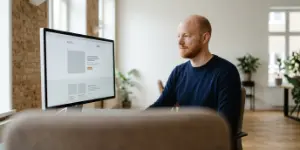
Conversion is not a pop-up addiction. It’s clarity, timing, and friction removal. We shape layouts and microcopy around real decision points, then test what actually moves the needle.

Brand is not a logo, it’s repeatable signals. Typography, spacing, tone, and UI patterns that stay consistent across pages and screens, so people recognise you without reading a manifesto.

A slow UI is a fancy way to ask users to leave. We design for speed, responsive behaviour, and interactions that stay smooth on real devices, not just a designer’s MacBook.
languages from day one
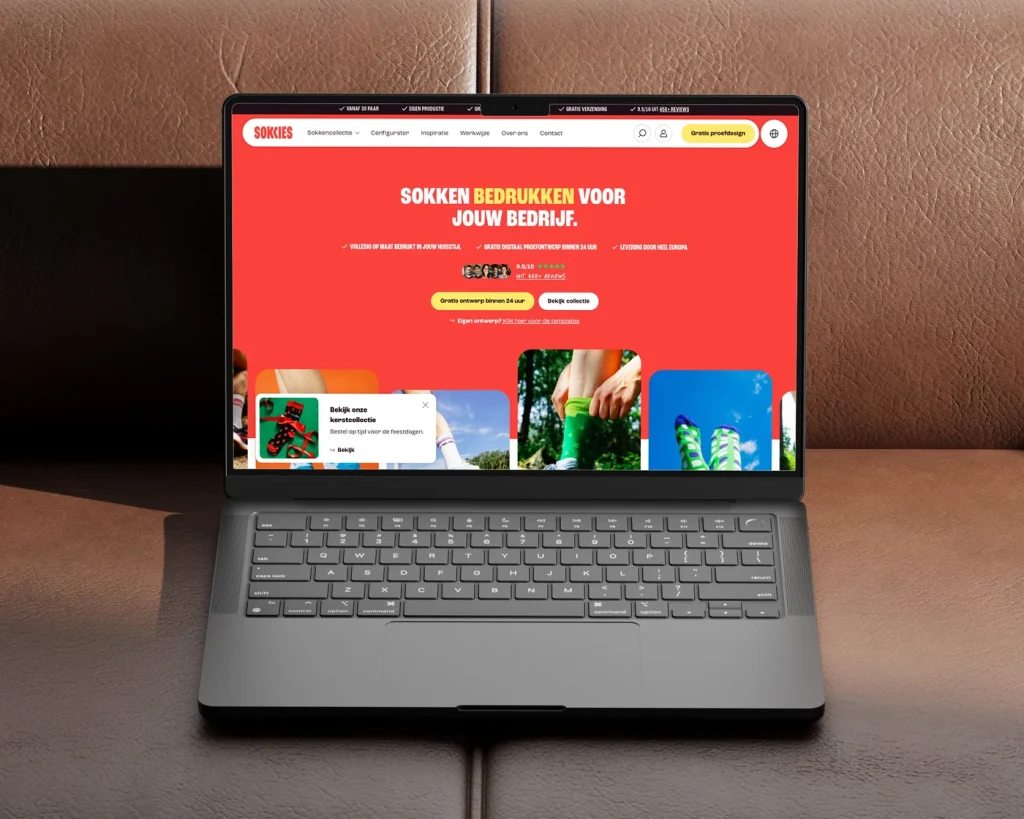
Webshop for custom printed socks, without a checkout
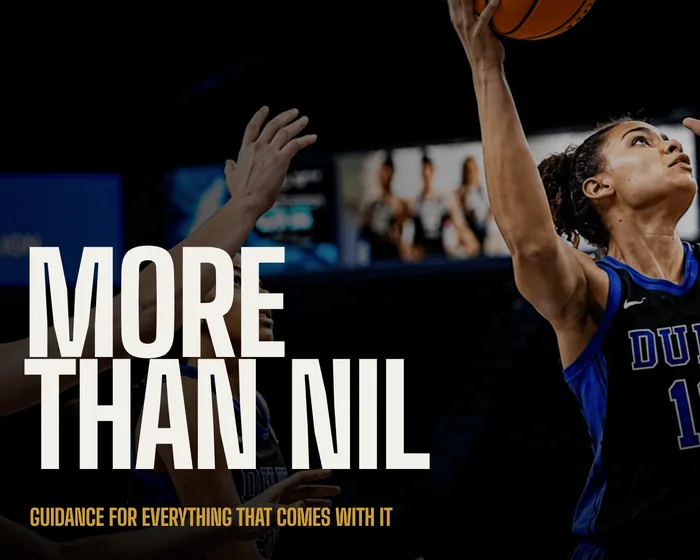
days ahead of a key player event
Athlete management agency website for women’s basketball
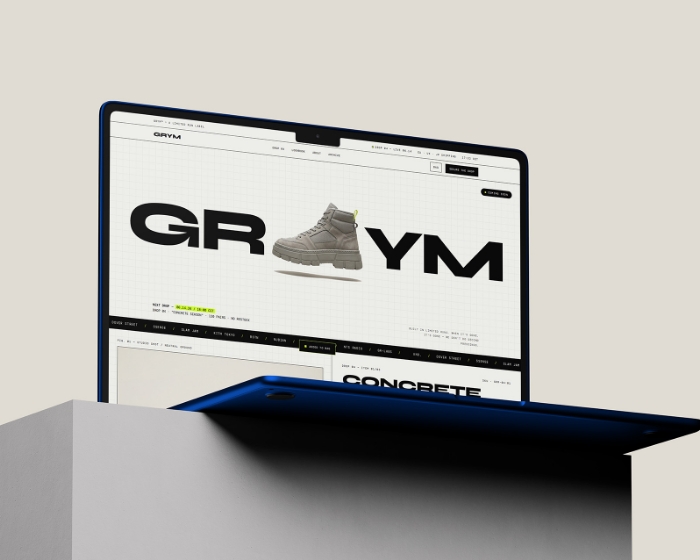
page storefront, brand to cart
Streetwear ecommerce website design, a concept

faster development kickoff time after our XD hand-off
Dark-mode branding and website for a premium software agency
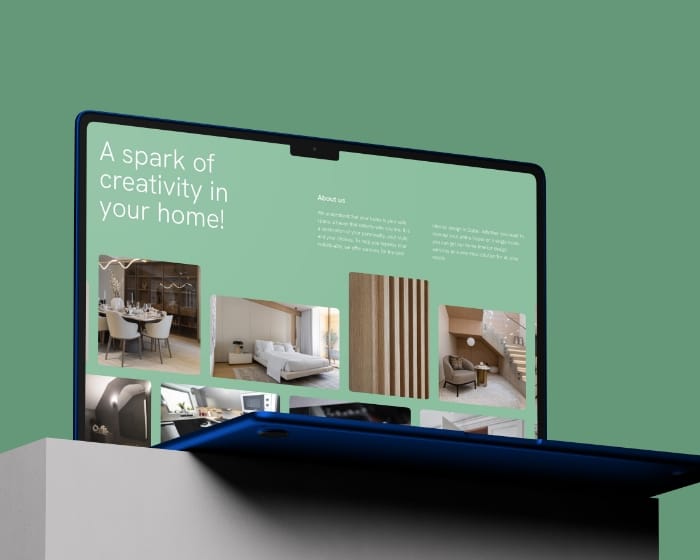
organic traffic grow in 3 months
Custom B2B WordPress website for Pine Tree Lane
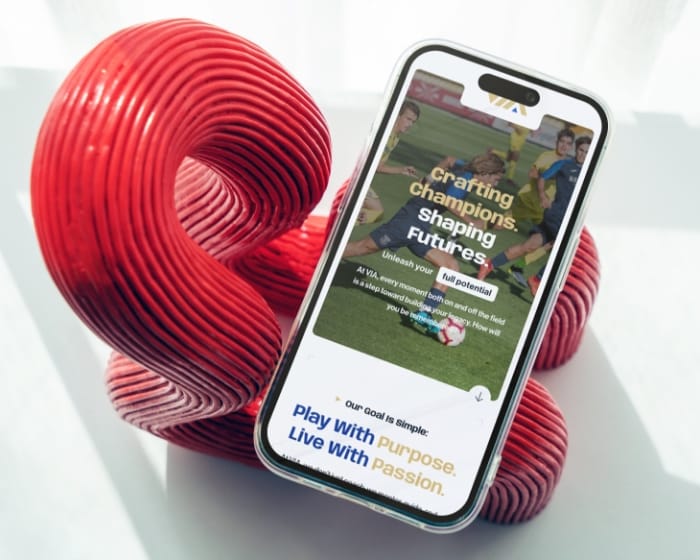
more user engagement after redesign
Sports travel website design and WordPress development for Via Sports Experiences
Design is not one thing. It’s a small stack of decisions that need to agree with each other. Studio Ubique covers UX/UI design (flows, screens, states, behaviour), mobile app design for iOS, Android and cross-platform patterns, and graphic design for the supporting assets that stop a product looking unfinished and start making it feel intentional.
01


02

03

A process is just a way to avoid expensive surprises. We like boring surprises, like “it launched on time”.
01
We start with what’s stuck, what must work, and what success looks like in plain numbers. Then we turn that into a scope that doesn’t lie.
02
Analytics, competitor patterns, user behaviour, and the sharp edges your team already knows about but stopped mentioning.
03
We sketch structure first, then make it clickable so you can see the flow before anyone falls in love with colours.
04
We design the UI with real states and real constraints. If we also build it, design and development stay aligned instead of politely ignoring each other.
05
We check responsiveness, usability, accessibility basics, and all the little “oops” moments that become support tickets later.
06
Launch, handover, and support that doesn’t disappear the second the invoice is paid.
FlevoDirect, University of Twente (UT), VIA Sports Experiences, Sokkies. And a few hundred other companies you might not know, but which have certainly been well served. That, on reflection, is the whole story.







We work with startups, scale-ups, agencies, and teams who need the product to function in the real world, with real users, on real Mondays.
5.0


“Studio Ubique brought our vision to life with skill, passion, and precision, our website now truly reflects the soul of House of Books.”
5.0

“Project meets my expectations, good communication with the designer.”
5.0

“Studio Ubique revamped our brewery site with stunning UX/UI. Engagement, speed, and mobile retention soared, plus they nailed the brief on time, on budget, and with true creative flair.”
5.0
“Despite our delays and unclear vision, Studio Ubique delivered a flawless site with creativity, patience, and total professionalism.”
5.0
“Studio Ubique continue to do really excellent work! They are great at taking direction, but also willing to advise when ideas clash with good design. A great team to work with.”
5.0
“Simply outstanding. I am blown away by the not only the design expertise, but also the site functionality. Worth every dollar, and I will be coming back for more business. Do not look further - you found your developer here.”
5.0

“Fastest time ever for a premium website. Willing to make changes, always friendly and helpful - 100% recommend for start-ups and large businesses alike.”
5.0
“Creative, skilled, and budget-conscious, Studio Ubique perfectly translated our vision with care, precision, and a truly personal touch. We used to post and pray. Their paid social and landing pages now bring real sales, not just likes. Clear plan, quick execution.”
5.0
“From rebranding to web design, Studio Ubique has been a key partner, proactive, efficient, and always exceeding expectations with clear, seamless communication.”
5.0
“Studio Ubique earned our trust with their expertise and results. What started as one project grew into a long-term collaboration thanks to their consistent delivery and professionalism.”
5.0
“Studio Ubique exceeds expectations every time, clear communication, creative solutions, and reliable delivery make them a trusted, long-term partner for web, design, and branding projects.”
5.0
“Studio Ubique crafted our brand, website, and booking system with standout design, smooth communication, and great value, helping UpNailz shine online and grow with confidence.”
5.0
“Studio Ubique delivered a sleek logistics app that boosted efficiency and cut manual work by 30%. Intuitive design, strong communication, and reliable delivery made them a great fit.”
5.0
“Great quality delivery in a fast time for a good price. I can´t really expect more from a service provider. Big recommendation!”
5.0
“We are very happy with our new homepage. It perfectly reflects the style we want to convey. The process was quick, and the design was created in no time. We are super happy! :)”
The questions that come up most often, answered here. Yours not among them? Just ask, there's a human on the other end.
Design rates run €60 to €65 per hour across all design roles (UX, UI, brand, mobile app), with most design-only projects sitting between €5,000 and €20,000 depending on scope. A discovery and UX wireframing pass typically runs €2,000 to €8,000. Full website design (without development) lands between €5,000 and €15,000. A mobile app design project sits at €5,000 to €20,000 depending on screen count and platform coverage. A design system build is typically €10,000 to €25,000+, though it often pays back fast across multiple projects. Our pricing page outlines the broader hourly and project ranges, plus monthly retainer options for ongoing design support.
Conversion-driven design means every screen, layout choice, and copy block exists for a reason tied to what visitors are supposed to do. The phrase gets thrown around as a vague slogan, so here is what it actually looks like in practice: the value proposition gets across in the first three seconds, the CTA lives where decisions actually get made (not where the designer felt it would look pretty), forms ask only what your sales team will actually use, microcopy reduces hesitation at friction points, and proof elements (case studies, logos, testimonials) appear when they help the visitor decide, not as decoration at the bottom of every page. Studio Ubique applies this to both website design and mobile app design. The conversion gains are measurable but rarely magical: expect 10 to 40 percent improvement on key conversion paths if the previous design was generic, less if it was already well thought through. Our case studies show specific before-and-after numbers.
Honest answer: usually a combination. UX design is the structural layer (information architecture, user flows, interaction patterns, wireframes). UI design is the visual layer on top (typography, colour, components, motion). Brand identity is broader (logo, voice, positioning, visual system). Mobile app design is its own discipline because mobile interaction patterns differ enough from web that one is rarely a translation of the other. Most clients arrive thinking they need a redesign but actually need a specific combination: usually UX and UI for product work, brand together with UX and UI for a new product launch, and mobile-specific design when there is a separate app. Our UX/UI design page covers the most common pairing. Mobile app design and graphic design live on their own pages. If you’re not sure which you need, the first scoping call resolves it quickly.
Tightly, because the same team handles both. Designers stay in the loop through engineering, which means design decisions don’t get translated into “developer-friendly versions” that quietly remove the parts that mattered. Engineers stay in the loop during design, which means we don’t ship designs that look great in Figma but cost three days of CSS gymnastics on real browsers and devices. For clients who only need design (no development), we still build with handover in mind: design tokens that map cleanly to code, component documentation, and acceptance criteria your developers can actually implement. Our development services cover the build side if you want one team handling everything. For design-only engagements where another team or agency handles the build, that’s also a routine arrangement, just with cleaner handover documents than the average.
Yes, and we do this often. Three common models. First, your in-house design team owns the visual direction and Studio Ubique fills capacity gaps (extra UX hands during a sprint, specialist mobile work, design system implementation). Second, your existing external design agency handles strategy and visual identity, and Studio Ubique handles the production work (turning approved concepts into final designs, design system, dev handover). Third, mixed teams where everyone contributes their strength: your designer leads brand, our team leads UX, an external specialist handles motion. Studio Ubique works in your Figma workspace, your Slack channel, your tools, with the same standards as if we were in-house. White-label and staff augmentation arrangements are common for agencies who want our team behind the scenes.
One-off design fits when the project is bounded and unlikely to need significant variation: a single marketing site, a campaign landing page, a one-screen product update. Design systems fit when the project has scale or longevity: multiple pages or apps under one brand, an evolving product with monthly feature additions, multiple teams who need consistent UI without coordinating every button. Studio Ubique builds design systems with reusable components, clear patterns, and tokens that connect cleanly to code. The investment pays back when your product team can ship new features without redesigning the same primitives every time. The honest test: if you’re going to build more than three significant features or pages in the next twelve months, a design system is usually cheaper end-to-end than the alternative. If you’re shipping one polished thing and moving on, one-off design fits better.
Contact
Not everyone likes to write. Rather talk to someone first? Book a 30 to 45 minute intro call through Calendly. It's free, and by the end you'll know whether a proposal makes sense.
Book a call(opens in a new tab)Tell us what's stuck, what you want to build, or what needs fixing. We usually reply within 1-2 business days.