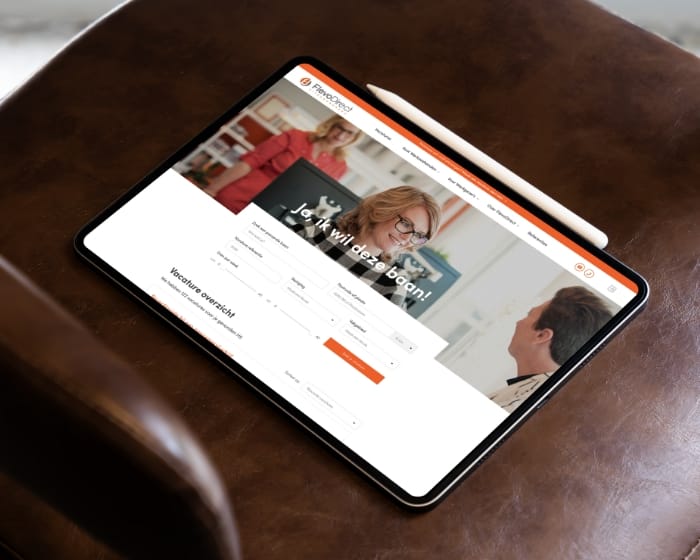
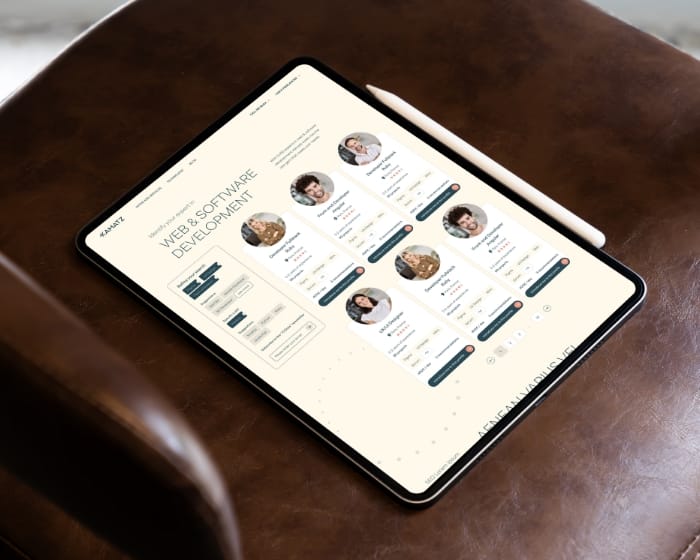
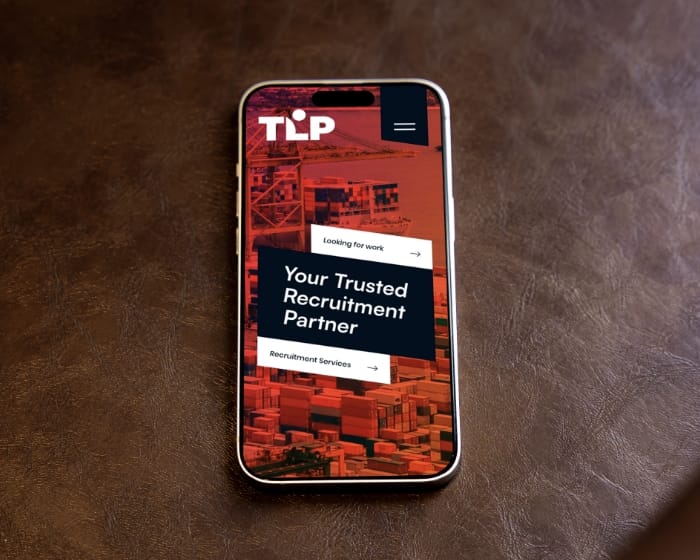
Staffing agency website built like a vacancy engine. Quick ATS embeds ship today, but cost you speed, messy SEO, and unreliable tracking.
5.0


“Collaborating with Studio Ubique proved to be an outstanding experience. Right from the start, they showcased a profound grasp of our vision for House of Books. Their dedication to excellence and innovation shone through every phase of the project. The website they developed not only met but surpassed our expectations, seamlessly blending contemporary functionality with vintage allure.”
5.0
“Project compliant with my expectations, good communication with the designer.”
5.0
“Studio Ubique did a truly outstanding job on our web design project. We had an example to point to for general look we wanted, but our product is fundamentally a lot different from the example website, a lot of differences were needed, and in many instances we really didn't have the vision of what specifically would work and needed to trust Studio Ubique to provide that vision.”
5.0
“Studio Ubique continue to do really excellent work! They are great at taking direction, but also willing to advise when ideas clash with good design. A great team to work with.”
Seen on top review platforms


Vacancy lists load slowly, filters feel broken, and the apply flow asks for a small novel. Marketing cannot tell what works, because tracking and consent were bolted on after launch.
Studio Ubique builds recruitment and staffing websites where vacancy pages stay fast, ATS data stays consistent, and applications are measurable.


Some facts
ATS platforms integrated (Bullhorn, Recruitee, OTYS, Cockpit, Teamtailor)of mobile visitors leave when load time passes 3 seconds
years building digital products since 2012
specialists across the Netherlands and India
5.0
“They're a multifaceted team, which allows us to share requirements and work with them effectively.”
5.0
“I would highly recommend Studio Ubique for any business if it looks to move into a headless CMS environment. They prioritize user experience with teams who will manage the site long-term and understand the technical side.”
5.0

“Studio Ubique rebuilt our site with a headless CMS (WordPress + Next.js). The new setup offers easy content editing, custom blocks, and a simple publishing flow. Fast, flexible, and stable, it’s perfect for our growing company.”
5.0
“Simply outstanding. I am blown away by the not only the design expertise, but also the site functionality. Worth every dollar, and I will be coming back for more business. Do not look further - you found your developer here.”

Make discovery, filtering, and applying feel simple, especially on mobile.

Build fast vacancy templates, stable URLs, and CMS editing without drama.

Connect ATS feeds and portals that hold up past “phase 1”.

Keep things running with Care, Growth, or Partnership packages, plus pragmatic iteration.
Tell us what’s broken, what you need live, and which ATS you’re on, Bullhorn, Recruitee, OTYS, Cockpit, Teamtailor. If you share one vacancy URL, Studio Ubique can point out the biggest leaks before anyone starts rebuilding for sport.
We’ve been building and maintaining digital products long enough to know what breaks, what scales, and what “urgent” actually means.


Studio Ubique works with startups, agencies, and mid-sized companies who want their product to work better than their competitors’ excuses. Since 2012, with clients across 15+ countries.
5.0
“Studio Ubique brought our vision to life with skill, passion, and precision, our website now truly reflects the soul of House of Books.”
5.0
“Despite our delays and unclear vision, Studio Ubique delivered a flawless site with creativity, patience, and total professionalism.”
5.0
“Fastest time ever for a premium website. Willing to make changes, always friendly and helpful - 100% recommend for start-ups and large businesses alike.”
5.0
“Creative, skilled, and budget-conscious, Studio Ubique perfectly translated our vision with care, precision, and a truly personal touch. We used to post and pray. Their paid social and landing pages now bring real sales, not just likes. Clear plan, quick execution.”
5.0
“From rebranding to web design, Studio Ubique has been a key partner, proactive, efficient, and always exceeding expectations with clear, seamless communication.”
5.0
“Studio Ubique understood our vision, responded fast to feedback, and kept the AGN website redesign smooth and efficient. A seamless, goal-driven collaboration from start to finish.”
The questions that come up most often, answered here. Yours not among them? Just ask, there's a human on the other end.
Depends on scope and ATS complexity. Standard staffing agency website with custom vacancy templates, basic filters, single ATS integration (Bullhorn, Recruitee, OTYS, Cockpit, or Teamtailor), plus mobile apply flow: €15.000 to €25.000. Full build with multi-filter taxonomy, multilingual support, candidate accounts, custom dashboards for recruiters, plus advanced tracking and conversion measurement: €25.000 to €45.000. Complex setups with multiple ATS integrations, internal portals for client companies, or migration from another platform: €30.000 to €60.000+. Hourly rates run €60 to €65 across UX, development, ATS integration, and project management. Our pricing page covers the broader rate structure across all services.
Typical timelines. Standard staffing agency website with single ATS integration: 6 to 10 weeks from kickoff to live. Full build with multi-filter taxonomy, multilingual, candidate accounts: 10 to 16 weeks. Complex setups with multiple ATS, internal portals, or migration: 14 to 22 weeks. The variable that surprises clients: ATS data mapping discovery takes longer than coding. Recruiter taxonomy (how they categorise locations, sectors, contract types) rarely matches the ATS field structure cleanly, and the mapping decisions made in week 1 affect filter URLs and SEO for years afterwards. Most projects spend 1 to 2 weeks on mapping discovery before vacancy template code gets written. Our process page covers project structure across services.
We currently work with Bullhorn, Recruitee, OTYS, Cockpit, and Teamtailor as primary integration targets, plus custom integrations on request. Each ATS has its own quirks. Bullhorn has a deep REST API and works well for high-volume staffing agencies with enterprise pipelines. Recruitee suits mid-size agencies with cleaner data and a developer-friendly API. OTYS is the standard in the Netherlands for staffing agencies and has a thorough Web API. Cockpit fits agencies with niche specialisation requirements and structured candidate portals. Teamtailor is design-led and integrates cleanly with modern frontend stacks. Migration between platforms (for example Bullhorn to OTYS, or Recruitee to Teamtailor) is a separate engagement we handle, with the careers site staying stable throughout. If you use a different ATS, share its API documentation and we can scope a custom integration.
Often yes, depending on what’s broken. Standard audit covers: performance (Core Web Vitals on vacancy pages and filter pages), ATS sync reliability (logs, retry behaviour, cache freshness), apply flow conversion (form length, mobile error handling, drop-off points), tracking accuracy (consent state, event firing, conversion definitions), and SEO health (vacancy URL structure, indexable versus noindex filter pages, JobPosting schema implementation). Most existing recruitment sites have between three and seven specific issues that account for the majority of lost candidates. Audit plus targeted fix engagements typically run €5.000 to €15.000 and ship within 4 to 8 weeks. Full rebuild only makes sense when the underlying tech stack is fundamentally constraining what’s possible (for example an outdated WordPress theme that cannot be themed cleanly, or an ATS integration that was glued together via plugin instead of API).
Standard approach. First, vacancy URLs stay clean and stable (no filter parameters in the canonical URL, no session IDs, no random hashes). Second, indexable filter pages are defined deliberately (sector pages, location pages, contract-type pages that have search demand and unique content), the rest get noindex. Third, JobPosting structured data lives on single vacancy pages only, not on listing pages, with full schema fields (title, description, location, employment type, salary range where available, hiring organisation, valid through date). Fourth, vacancy archive pages handle expired jobs cleanly (410 status, or redirect to the relevant category page, never just removed silently leaving 404s). Fifth, Core Web Vitals stay green by avoiding heavy client-side filtering JavaScript on initial render. The result: Google can crawl the site without getting lost in filter combinations, expired vacancies stop accumulating crawl waste, and individual vacancy pages have a real chance of ranking for searches like “warehouse jobs Rotterdam” or “civil engineer contract Switzerland”.
Standard 30-day post-launch monitoring and bug fixes window after go-live. During this window: daily check of ATS sync logs, weekly review of failed applications or vacancy feed errors, immediate response to broken integrations during business hours. After 30 days, ongoing support moves into one of the Care, Growth, or Partnership packages. ATS APIs change occasionally (Bullhorn field additions, OTYS authentication updates, Recruitee endpoint deprecations), and the integration layer needs maintenance to stay current. Most staffing agencies with active recruitment operations choose Growth or Partnership for ongoing work, since downtime on vacancy feeds directly affects hiring teams (recruiters cannot publish new vacancies, applicants stop arriving). New features (additional filter pages, multilingual launches, new ATS migrations, custom dashboards) get scoped as separate sprints. Automated monitoring runs 24/7, human response during business hours, with after-hours escalation per package tier.








Book a quick 30 min video call, we will show you exactly what to fix. We reply within 24 hours.