Python Django FastAPI development combines Django for admin, auth, and data logic with FastAPI for fast endpoints and async workers. Django’s batteries included framework plus FastAPI’s modern async routers, all in the same Python codebase your engineers already trust.
We map your feature list, decide when a full Django stack is smart and where a lean FastAPI micro-service saves cycles, then we wire both into one code base with shared models and central auth. You keep rapid releases, clear structure and charts that stay green on launch day.


Struggling with a slow Django app? Split high-traffic routes into FastAPI services while keeping admin in Django. Same Python codebase, faster response times on the routes that actually matter.
Two frameworks, one auth layer. A single JWT gateway covers Django and FastAPI for security, single sign-on, and no loose ends in your token flow.

Each SaaS hook takes weeks of custom code. Our fix: typed SDK layers and auto-generated OpenAPI docs cut integration time to days. New endpoints arrive ready for the next sprint, not the next quarter.

organic traffic grow in 3 months
Custom B2B WordPress website for Pine Tree Lane

average session length, up 61%
Resay: custom web application for smarter workflows

more user engagement after redesign
Sports travel website design and WordPress development for Via Sports Experiences

increase in monthly website visits
Book subscription website design and custom development for House of Books
more user actions after redesign
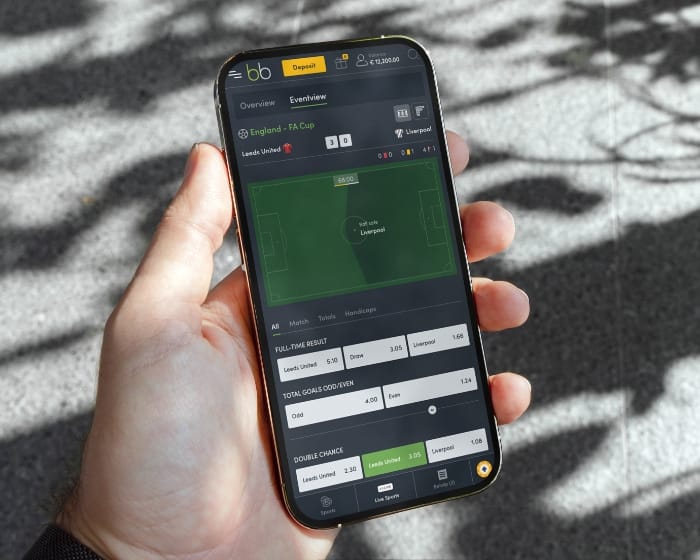
Custom sportsbook platform UX/UI design and development
How we structure a Python Django FastAPI build, from kickoff to handover. Six steps, no surprises, with daily commits so you can test as we build.
01
We define goals, map data flows, and track KPIs to pick the right fit between REST and GraphQL. The shape of every endpoint gets documented before any code, so you avoid surprises in week 3.
02
We create service maps and define data contracts, so Django and FastAPI know exactly which service handles what. Decisions made here include where to keep monolithic Django logic, where to split into FastAPI services, and how shared models live in one codebase. The architecture doc gets reviewed with your team before any code lands.
03
We build typed models and routes, with daily commits so you can test as we go. Each endpoint ships with type hints, Pydantic validation, and unit tests, so when reviewers ask “does this actually work” the answer is already documented. Sprint demos happen every two weeks against staged data.
04
We integrate payments (Stripe, Mollie, Adyen), analytics, and the third-party hooks your business actually depends on. Each integration ships with a retry strategy and a logged audit trail, so failures are visible instead of silently buried.
05
We run load tests, penetration tests, and query optimisation so endpoints respond under 150 milliseconds for typical reads. Where reads sit above 150 ms, we know which query is responsible and what it costs to fix.
06
We deliver Swagger docs, CI pipelines, and monitoring dashboards your team can keep using after handover. Updates and new endpoints can run through the same team that built the codebase, via Care, Growth, or Partnership packages. The runbook covers what to check when something breaks at 09:00 on a Monday.
FlevoDirect, University of Twente (UT), VIA Sports Experiences, Sokkies. And a few hundred other companies you might not know, but which have certainly been well served. That, on reflection, is the whole story.









Studio Ubique has shipped 100+ Python services since 2012, powering web shops, SaaS tools, and mobile apps. Typical reads respond in under 200 milliseconds, with automated monitoring 24/7 and human response during business hours.
5.0


“Despite our delays and unclear vision, Studio Ubique delivered a flawless site with creativity, patience, and total professionalism.”
5.0

“Fastest time ever for a premium website. Willing to make changes, always friendly and helpful - 100% recommend for start-ups and large businesses alike.”
5.0
“Studio Ubique’s flexible, creative approach and seamless collaboration boost our site’s design and impact, truly a trusted digital partner.”
5.0
“Great ideas, smooth communication, and a pleasure to work with, Studio Ubique made building our new website a seamless, collaborative process.”
5.0
“From rebranding to web design, Studio Ubique has been a key partner, proactive, efficient, and always exceeding expectations with clear, seamless communication.”
The questions that come up most often, answered here. Yours not among them? Just ask, there's a human on the other end.
Depends on scope and integration count. A Django admin plus 5 to 10 FastAPI endpoints for an MVP: €15.000 to €25.000. A production-grade Django plus FastAPI service with 20 to 40 endpoints, JWT authentication, 3 to 5 SaaS integrations, plus Swagger documentation: €25.000 to €45.000. Complex setups with GraphQL layer, multiple data sources, custom permission systems, or migration from a slow Django monolith: €40.000 to €80.000+. Hourly rates run €60 to €65 across backend engineering, architecture, and project management. Add-on work after launch (new endpoints, additional integrations, performance tuning) typically scoped as small sprints or rolled into ongoing support. Our pricing page covers the broader rate structure across all services.
Typical timelines. Django admin plus 5 to 10 FastAPI endpoints MVP: 4 to 8 weeks. Production-grade Django plus FastAPI service with 20 to 40 endpoints and integrations: 8 to 14 weeks. Complex setups with GraphQL, multiple data sources, or monolith migration: 14 to 24 weeks. The variable that surprises clients: data contract discovery takes longer than coding. Figuring out what data each endpoint actually needs to return, what validation rules apply, and how versioning will work tends to consume 1 to 2 weeks before any production code gets written. First working endpoint typically lives within 48 hours after kickoff (as the Fast Facts stat reflects), but that endpoint is a discovery artefact, not the shipped product. Our process page covers the project structure across services.
Different tools for different jobs. Django fits when: the project needs a strong admin interface out of the box, the data model is relational with complex relationships, the team values batteries-included conventions (ORM, migrations, auth, admin all baked in), and request volume is moderate. Django shines on content-heavy applications, internal tools with rich admin UIs, and projects where developer onboarding speed matters. FastAPI fits when: endpoints need to handle high throughput, the API is the product (mobile app backend, SaaS API for external consumers), async I/O matters (third-party API calls, websocket connections, streaming responses), or you need OpenAPI documentation generated automatically from type hints. The mixed approach (which this page positions) makes sense when one codebase has both needs: a Django admin for the content team plus FastAPI endpoints for the mobile app or external consumers, all sharing the same Python data models. The architecture decision happens in step 02 of the project.
Yes, this is a common engagement type. Standard approach. First, performance audit on the existing Django app: which routes are slow, which queries are expensive, where async I/O could help, what cache layers exist. Second, identify split candidates: routes that handle high traffic plus async work, routes that block the rest of the application, routes that need their own deployment cadence. Third, build FastAPI services for the split candidates while keeping Django for admin, auth, and the routes that work fine. Fourth, gradual cutover: traffic moves to FastAPI services route by route via a routing layer, with both versions running in parallel until each route is verified. Fifth, decommission the old Django routes once cutover is complete. Critical concern: keep the Django admin and auth working throughout, since recruiters, content editors, and operations teams depend on it. Splits typically deliver 40 to 70 percent latency reduction on the migrated routes, depending on what was slow about them. Project scope ranges €20.000 to €60.000 depending on how many routes split and how much shared state needs to be untangled.
Both, picked per project. REST fits when: clients are diverse (web, mobile, third-party integrations) and you want predictable resource-based URLs, caching at HTTP level matters, the API surface is relatively stable, and you do not want to manage GraphQL infrastructure overhead. REST is the safer default for most projects. GraphQL fits when: clients have varied data needs (different mobile app screens want different field subsets), the data graph is genuinely interconnected with many relationships, the frontend team wants control over what gets fetched without backend changes for every screen, or you are building a public developer API with complex query patterns. GraphQL adds complexity around schema design, N+1 query risk, caching, and authorization checks. For Django plus FastAPI projects, REST is usually built with FastAPI’s automatic OpenAPI generation, GraphQL is usually built with Strawberry or Graphene depending on which one fits better with Django’s ORM and the team’s preferences. The choice happens in step 01 of the project, with a recommendation based on actual client patterns rather than fashion.
Standard post-launch package includes 30 days of monitoring and bug fixes after go-live. During this window: daily check of error logs and latency metrics, weekly review of API performance and any anomalies, immediate response to broken endpoints during business hours. After 30 days, ongoing support moves into one of the Care, Growth, or Partnership packages. Python applications need periodic maintenance: Django and FastAPI release security patches, dependencies (Pydantic, SQLAlchemy, etc) update with breaking changes, the Python version itself reaches end-of-life every few years. Most clients with production Python services pick Growth or Partnership for ongoing work, since downtime on an API directly affects whatever frontend (web, mobile, third-party) consumes it. New endpoints, schema changes, and integration additions get scoped as separate sprints outside the support package. Automated monitoring runs 24/7, human response during business hours, with after-hours escalation paths defined per package tier.
Contact
Not everyone likes to write. Rather talk to someone first? Book a 30 to 45 minute intro call through Calendly. It's free, and by the end you'll know whether a proposal makes sense.
Book a call(opens in a new tab)Tell us what's stuck, what you want to build, or what needs fixing. We usually reply within 1-2 business days.