Progressive web apps connect what works in mobile apps (installability, offline access, push notifications) with what works in websites (no app store gatekeeping, no separate codebase, instant updates). Studio Ubique builds PWAs for eCommerce stores, SaaS platforms, and content sites that need installable experiences without maintaining iOS plus Android plus web as three separate codebases.
PWAs cost less to build than native apps and deploy without app store approval delays. Worth considering when your users are mostly mobile and your team doesn’t want the overhead of multiple codebases.






PWAs cache static assets in the browser through service workers, so subsequent loads complete in under a second even on 3G connections. First load is comparable to a well-optimised site, repeat loads are faster.
PWAs keep working offline (cached content, queued actions that sync when connection returns) and re-engage users through web push notifications similar to native app alerts. Mid-journey drop-offs reduce when the experience holds up under connection drops.

No App Store or Google Play review queue (typically 1 to 7 days for native app submissions). PWA updates ship the moment you deploy, with no version fragmentation across users who haven’t updated yet.
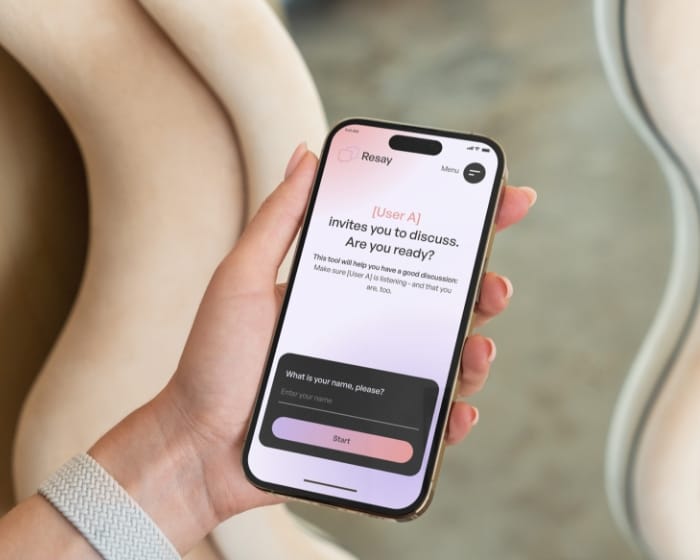
average session length, up 61%
Resay: custom web application for smarter workflows
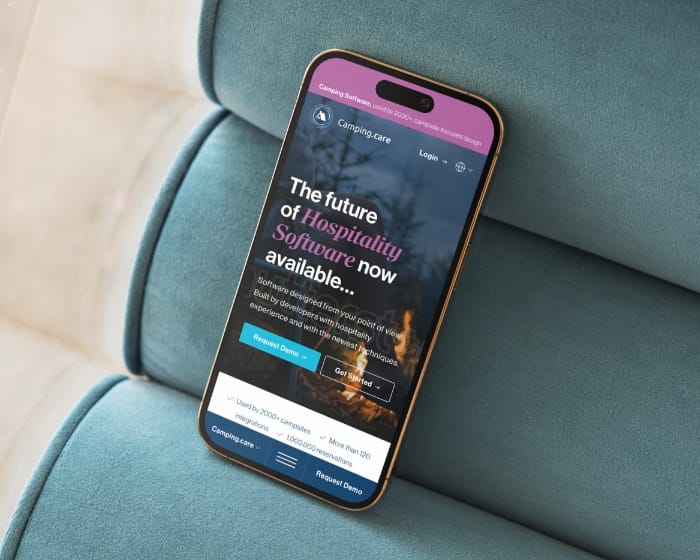
less time spent on web updates each year
WordPress multisite for camping reservation software
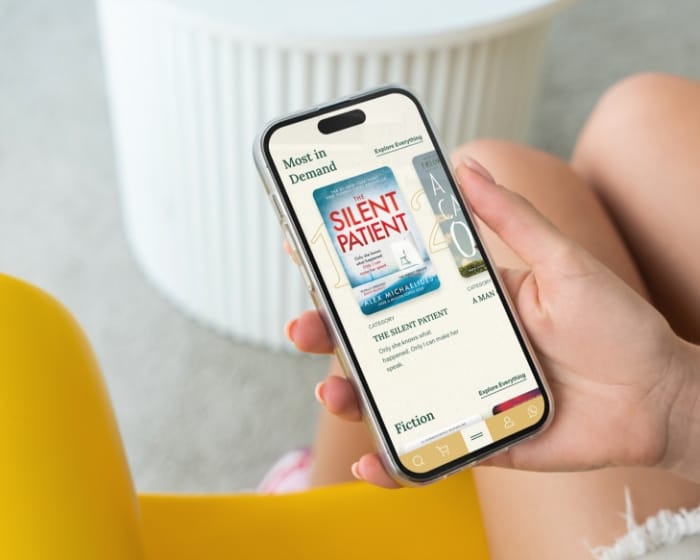
increase in monthly website visits
Book subscription website design and custom development for House of Books

boost in app store ratings
Kayo: UX/UI design case study for a GPS tracking mobile app
Progressive web apps work on any device. We prioritize performance, installability, and flexibility. Whether you need a fast eCommerce app or are comparing PWAs to native apps, here’s how we create seamless experiences:
01
Audit of current site or app for PWA fit: which features benefit from offline support, where install prompts make sense, which sections need caching priority. Performance baseline gets measured before any work starts. Output is a scoped recommendation, sometimes including that a PWA isn’t the right answer.
02
Frontend framework chosen for your team’s existing skills and the project’s needs: React with Workbox for most builds, Vue with PWA modules where the team prefers Vue, vanilla service workers where framework overhead isn’t justified. Backend stays whatever’s already working.
03
PWA design covers what websites don’t: install prompt timing and messaging, app icon and splash screen sets for iOS and Android, offline-state UX (what users see when there’s no connection), and touch interactions that match native-app expectations.
04
Service workers configured for the caching strategy that fits your content (cache-first for static, network-first for fresh data, stale-while-revalidate for everything in between). Responsive layouts and touch-friendly hit targets verified across iOS, Android, and desktop browsers.
05
Testing covers offline mode, install prompts, push notifications, and load performance across Chrome, Safari, Firefox, and Edge on iOS, Android, Windows, and macOS. Lighthouse PWA audit runs as part of the test suite with required thresholds defined upfront.
06
Deploy with CDN configuration and HTTPS verified (mandatory for service workers). Post-launch monitoring covers performance regressions, service worker errors, and install rate. Updates ship instantly to users with the next visit, no version fragmentation, no store review delays.
FlevoDirect, University of Twente (UT), VIA Sports Experiences, Sokkies. And a few hundred other companies you might not know, but which have certainly been well served. That, on reflection, is the whole story.







Studio Ubique builds PWAs that prioritise installability, offline UX, and concrete performance gains over marketing claims. Hundreds of installable and mobile web projects since 2012, for eCommerce, SaaS, and content businesses across multiple markets.
5.0


“Studio Ubique earned our trust with their expertise and results. What started as one project grew into a long-term collaboration thanks to their consistent delivery and professionalism.”
5.0
“Studio Ubique exceeds expectations every time, clear communication, creative solutions, and reliable delivery make them a trusted, long-term partner for web, design, and branding projects.”
5.0

“Studio Ubique crafted our brand, website, and booking system with standout design, smooth communication, and great value, helping UpNailz shine online and grow with confidence.”
5.0
“Studio Ubique delivered a sleek logistics app that boosted efficiency and cut manual work by 30%. Intuitive design, strong communication, and reliable delivery made them a great fit.”
5.0

“Great quality delivery in a fast time for a good price. I can´t really expect more from a service provider. Big recommendation!”
The questions that come up most often, answered here. Yours not among them? Just ask, there's a human on the other end.
Native apps fit when you need deep device integration (Bluetooth, ARKit/ARCore, background location, complex camera processing, biometric authentication), heavy ongoing user engagement that justifies app store presence (gaming, dating, food delivery, social), or when your users actively download apps for your category. The tradeoff is two codebases (iOS plus Android, or one cross-platform framework like React Native or Flutter), app store approval delays, and ongoing platform-update overhead.
PWAs fit when you need installability and offline support but not deep device integration: eCommerce stores, SaaS dashboards, content sites, business tools, internal apps for staff. PWAs install from the browser (no app store), work offline through service workers, support push notifications on most platforms, and ship updates instantly. Responsive websites still fit for pure marketing sites, blogs, and any case where install behaviour and offline support add no value. Mobile app development covers when native or hybrid is the better call.
iOS Safari supports PWAs but with limitations Android Chrome doesn’t have. As of 2025: push notifications work on iOS 16.4+ but only when installed to home screen (not in the regular Safari browser tab). Background sync is limited. Storage quotas are smaller than Android. The install prompt isn’t automatic, users have to know to tap Share, then Add to Home Screen. App badging support varies. These limits matter more for some use cases than others.
What we do about it: design install instructions for iOS users explicitly (no relying on automatic prompts), test push notification flows on iOS separately because the behaviour differs, plan for smaller storage budgets, and discuss honestly during scoping whether iOS limitations are blockers for your specific case. For eCommerce and content sites, the limitations rarely matter. For apps that depend heavily on push notifications or background sync, native or hybrid may be the cleaner answer. Mobile app development covers the native and hybrid options.
Cost drivers: starting from an existing website (PWA conversion) versus building new, scope of offline functionality (read-only cached content versus full offline-write with sync queues), push notification infrastructure (basic versus segmented campaigns), eCommerce-specific features (offline cart, optimistic UI on transactions), and design ambition. PWA conversion of an existing well-built site typically runs €8,000 to €25,000. New PWA build from scratch runs €25,000 to €80,000 depending on scope.
Timeline: PWA conversion of an existing site usually completes in 4 to 8 weeks. New build runs 10 to 16 weeks for typical scope. Our hourly rate is €60 to €65 across roles. The biggest variable is the existing site’s architecture: a clean modern build is faster to convert than a legacy site that needs structural work before PWA features can be added cleanly. Pricing and rates page covers the broader rate structure.
Typical gains after PWA conversion on sites that weren’t already optimised: 30 to 60% reduction in repeat-load times (cached assets serve from the browser instead of network), 40 to 70% reduction in data usage for return visits, sub-second Time to Interactive on cached pages, and noticeable improvement on Lighthouse PWA audit. Sites already well-optimised see smaller gains because the baseline is already good. PWAs don’t speed up first load substantially, the gains are mostly on repeat visits.
What PWAs don’t fix automatically: heavy third-party scripts (analytics, ad tags, chat widgets) still load on first visit, large unoptimised images still slow first paint, server-side performance issues remain server-side issues. We measure before and after with Lighthouse and Chrome User Experience Report so the gains are documented rather than promised. Performance optimisation work covers the deeper performance tuning beyond PWA-specific gains.
Both can coexist. Common patterns: PWA as the primary mobile web experience plus native app for power users who want deeper features, PWA for international markets where app store presence is limited plus native app for primary markets, PWA for staff or partner-facing internal tools plus native app for consumer-facing flows. The cost is maintaining two codebases, which only makes sense when each serves a distinct purpose.
What doesn’t work well: maintaining a PWA and a native app that do exactly the same thing for the same users (you’re paying twice for one experience). When both already exist and feature parity has drifted, the conversation usually becomes “consolidate to one, sunset the other” rather than “keep both”. Honest scoping during discovery covers which scenario actually applies to your situation. Mobile app development covers the broader mobile strategy discussion.
PWAs SEO well when built correctly. The key requirement: server-side rendering (SSR) or static site generation (SSG) for the initial page load, so search engines see real HTML rather than empty containers waiting for JavaScript to populate them. Frameworks that handle this well: Next.js for React-based PWAs, Nuxt for Vue, Astro for content-heavy sites. Single-page applications (SPA) without SSR can still rank but face indexing risks Google has documented.
What helps PWA SEO further: proper meta tags and structured data per page (not just the shell), correct canonical URLs when content is served from cache, hreflang implementation for multi-language PWAs, and Lighthouse SEO audit scores tracked alongside the PWA audit. Bad PWA SEO usually comes from skipping SSR for a content-heavy site, not from PWA technology itself. SEO work covers the broader SEO infrastructure for PWAs and traditional sites.
You own the code, the repository, the documentation, the credentials, and the deployed infrastructure. IP transfers on payment as part of our standard terms. No proprietary frameworks that only Studio Ubique can maintain, no platform lock-in, no licence-based recurring fees. PWAs are by definition standards-based (service workers, web manifests, push notifications via standard APIs), so the work transfers cleanly to any team that knows modern web development.
Handover includes: codebase walkthroughs for the non-obvious decisions (service worker caching strategy, install prompt logic, push notification backend), deployment runbook for your hosting setup, list of dependencies and their update schedules, and follow-up availability for questions during the receiving team’s onboarding. For agency clients building PWAs for their end clients under white-label arrangements, the handover is even more structured. White-label services cover that handover structure.
Contact
Not everyone likes to write. Rather talk to someone first? Book a 30 to 45 minute intro call through Calendly. It's free, and by the end you'll know whether a proposal makes sense.
Book a call(opens in a new tab)Tell us what's stuck, what you want to build, or what needs fixing. We usually reply within 1-2 business days.