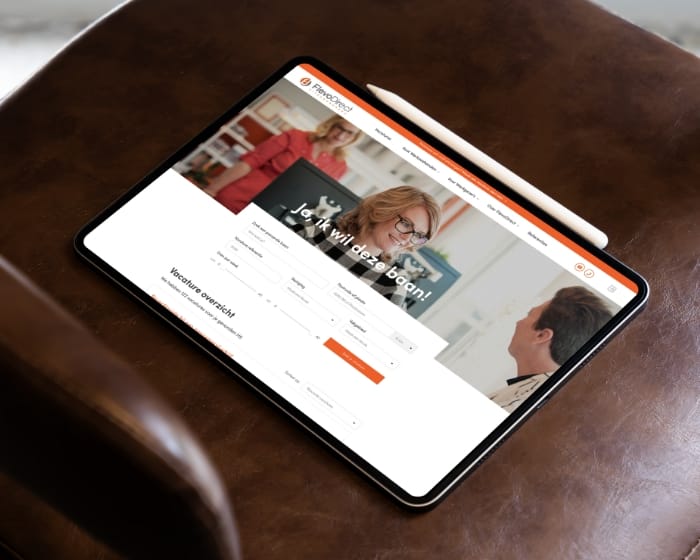
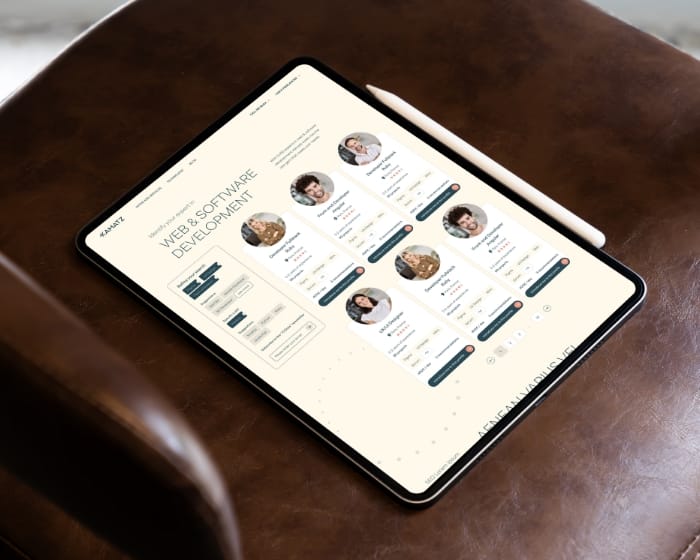
We connect OTYS to WordPress or a custom CMS with strict mapping, retries, logs, and alerts. Vacancies, filters, and applications stay in sync.
5.0


“Collaborating with Studio Ubique proved to be an outstanding experience. Right from the start, they showcased a profound grasp of our vision for House of Books. Their dedication to excellence and innovation shone through every phase of the project. The website they developed not only met but surpassed our expectations, seamlessly blending contemporary functionality with vintage allure.”
5.0
“Project compliant with my expectations, good communication with the designer.”
5.0
“Studio Ubique did a truly outstanding job on our web design project. We had an example to point to for general look we wanted, but our product is fundamentally a lot different from the example website, a lot of differences were needed, and in many instances we really didn't have the vision of what specifically would work and needed to trust Studio Ubique to provide that vision.”
5.0
“Studio Ubique continue to do really excellent work! They are great at taking direction, but also willing to advise when ideas clash with good design. A great team to work with.”
Seen on top review platforms


OTYS is your ATS (applicant tracking system), software that stores your vacancies, candidates, and stages. If your website disagrees with it, you get ghost jobs, wrong filters, and applicants lost in redirects.
That costs you trust, and time.


Some facts
OTYS data surfaces usually matter, the vacancy feed and the application intake.
records need clean IDs early, vacancy, candidate, application, client, contact.
ownership rule prevents chaos, decide where every field is edited.
5.0
“They're a multifaceted team, which allows us to share requirements and work with them effectively.”
5.0
“I would highly recommend Studio Ubique for any business if it looks to move into a headless CMS environment. They prioritize user experience with teams who will manage the site long-term and understand the technical side.”
5.0

“Studio Ubique rebuilt our site with a headless CMS (WordPress + Next.js). The new setup offers easy content editing, custom blocks, and a simple publishing flow. Fast, flexible, and stable, it’s perfect for our growing company.”
5.0
“Simply outstanding. I am blown away by the not only the design expertise, but also the site functionality. Worth every dollar, and I will be coming back for more business. Do not look further - you found your developer here.”

We pull OTYS vacancies into a fast list, with filters that match your recruiters’ taxonomy, not a random plugin’s idea of “location”.

We send applications back into OTYS with attachments, consent flags, and dedupe logic, so you do not end up with three versions of the same person.

We set up SSO (single sign-on), one login for multiple tools, for candidate or client portals that sit around OTYS without turning into a second ATS.

We ship logs, alerts, and a runbook your team can follow at 09:12 on a Monday, including what to check when tokens expire or fields change.
If you’re migrating from Bullhorn, Recruitee, Teamtailor, or Cockpit into OTYS, we plan the cutover and keep your careers site stable. Tell us what needs to sync, and what must never break.
We’ve been building and maintaining digital products long enough to know what breaks, what scales, and what “urgent” actually means.


Studio Ubique works with startups, agencies, and mid-sized companies who want their product to work better than their competitors’ excuses. Since 2012, with clients across 15+ countries.
5.0
“Studio Ubique brought our vision to life with skill, passion, and precision, our website now truly reflects the soul of House of Books.”
5.0
“Despite our delays and unclear vision, Studio Ubique delivered a flawless site with creativity, patience, and total professionalism.”
5.0
“Fastest time ever for a premium website. Willing to make changes, always friendly and helpful - 100% recommend for start-ups and large businesses alike.”
5.0
“Creative, skilled, and budget-conscious, Studio Ubique perfectly translated our vision with care, precision, and a truly personal touch. We used to post and pray. Their paid social and landing pages now bring real sales, not just likes. Clear plan, quick execution.”
5.0
“From rebranding to web design, Studio Ubique has been a key partner, proactive, efficient, and always exceeding expectations with clear, seamless communication.”
5.0
“Studio Ubique understood our vision, responded fast to feedback, and kept the AGN website redesign smooth and efficient. A seamless, goal-driven collaboration from start to finish.”
The questions that come up most often, answered here. Yours not among them? Just ask, there's a human on the other end.
Depends on scope. Standard OTYS vacancy feed integration with filters and search on an existing WordPress site: €8.000 to €15.000. Full OTYS integration with vacancy feed, application intake with writeback to OTYS, candidate dedupe, and admin health dashboard: €15.000 to €30.000. Complex setups with custom portals (candidate portal, client portal), SSO, multi-language, or migration from another ATS into OTYS: €25.000 to €50.000+. Hourly rates run €60 to €65 across engineering, integration, and project management. Add-on work after launch (new fields, additional filters, reporting changes) typically scoped as small sprints or rolled into ongoing support. Our pricing page covers the broader rate structure.
Typical timelines. Standard vacancy feed integration on existing site: 3 to 5 weeks from kickoff to live. Full OTYS integration with application intake plus writeback: 6 to 10 weeks. Complex setups with portals, SSO, or ATS migration: 10 to 18 weeks. The variable that surprises clients: data mapping discovery takes longer than coding. OTYS fields versus your website fields rarely match one-to-one, and the mapping document is where edge cases surface (what counts as “open” status, how location aliases work, what happens to expired vacancies). We typically spend 1 to 2 weeks on mapping discovery before any sync code gets written. Our process page covers the project structure.
Standard ATS migration approach. First, parallel data audit: what lives in your current ATS, what needs to move to OTYS, what gets archived rather than migrated. Second, OTYS data model setup: configure custom fields, categories, statuses to match the data structure coming in. Third, historical data migration if needed (candidates, applications, notes, attachments) via OTYS import or manual entry depending on volume. Fourth, careers site re-integration: rebuild or adapt the vacancy feed and application intake to talk to OTYS instead of the old ATS. Fifth, parallel running period (1 to 2 weeks) where both systems stay live to catch any data gaps. Sixth, switchover and decommission. Critical concern: keep the careers site stable throughout. Visitors should not see a “site under maintenance” message during the migration, and recruiters should never lose access to candidate data. Migration timelines depend on data volume and how complex the source ATS configuration was.
Depends on what else the site needs to do. WordPress with OTYS integration fits well when: editorial content (blogs, employer branding, case studies) matters alongside the vacancies, your content team is comfortable with WordPress, the budget is constrained, and the vacancy display can use standard list and detail patterns. Typical WordPress plus OTYS integration projects sit in the €10.000 to €25.000 range. Custom CMS with OTYS fits well when: the careers site has unusual UI requirements (custom matching algorithms, candidate dashboards, complex multi-step apply flows), the parent organisation already runs on a non-WordPress stack (Next.js, custom Laravel, headless), or content workflows are too specific for WordPress to handle cleanly. Custom CMS projects with OTYS integration typically run €25.000 to €50.000+. Most clients with standard recruitment site needs land on WordPress with OTYS integration. Custom CMS is right for clients with genuine UI complexity or existing technical stack constraints.
A well-built OTYS integration should degrade gracefully, not break. Standard approach: cached vacancy data on the website side (typically 5 to 15 minute cache), so OTYS API downtime under that window is invisible to visitors. If OTYS is down longer, the site continues serving the most recent cached vacancy list with a small “data last updated X minutes ago” indicator. Application submissions during OTYS downtime get queued client-side or server-side, then submitted when OTYS comes back. Retries happen automatically with exponential backoff. Failed submissions trigger alerts to the operations team, plus a visible status indicator for recruiters so they know which applications are pending writeback. The runbook we deliver at handover documents exactly what to check and how to clear queued submissions in case of extended OTYS downtime. The careers site should never show “error 500” or a blank vacancy list because of OTYS issues.
Standard post-launch package includes 30 days of monitoring and bug fixes after go-live. During this window: daily check of sync logs, weekly review of any failed applications or sync errors, immediate response to broken integrations during business hours. After 30 days, ongoing support moves into one of the Care, Growth, or Partnership packages. OTYS changes its API occasionally (field additions, deprecations, authentication updates), and the integration needs maintenance to stay current. Most clients with active recruitment operations choose Growth or Partnership for ongoing OTYS work, since hiring teams notice immediately when something breaks (recruiters can’t post a vacancy, applications stop arriving). For organisations with infrequent hiring activity, Care tier with quarterly review cycles is usually enough. New features (additional fields, new filters, custom reports) are scoped as separate sprints outside the support package.








Book a quick 30 min video call, we will show you exactly what to fix. We reply within 24 hours.