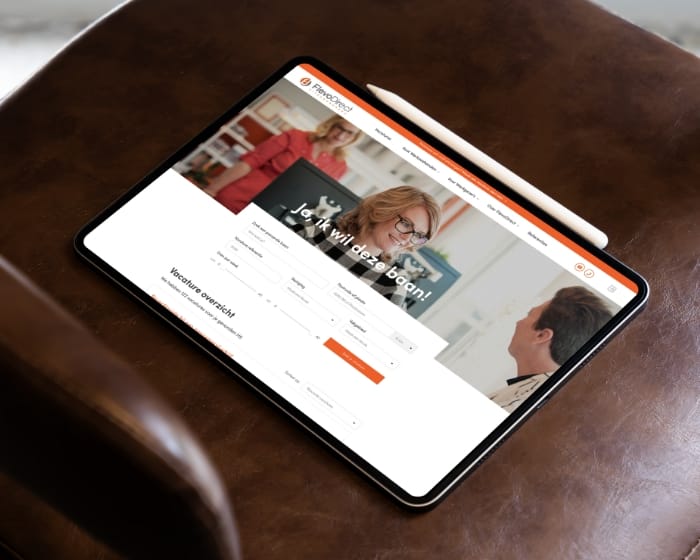
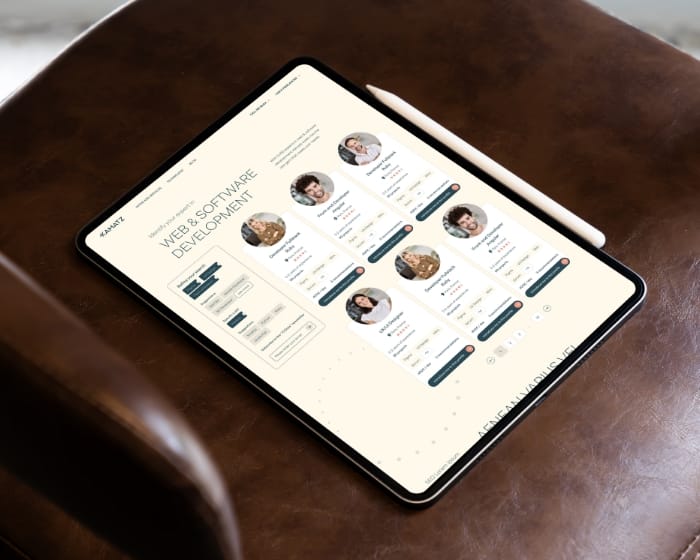
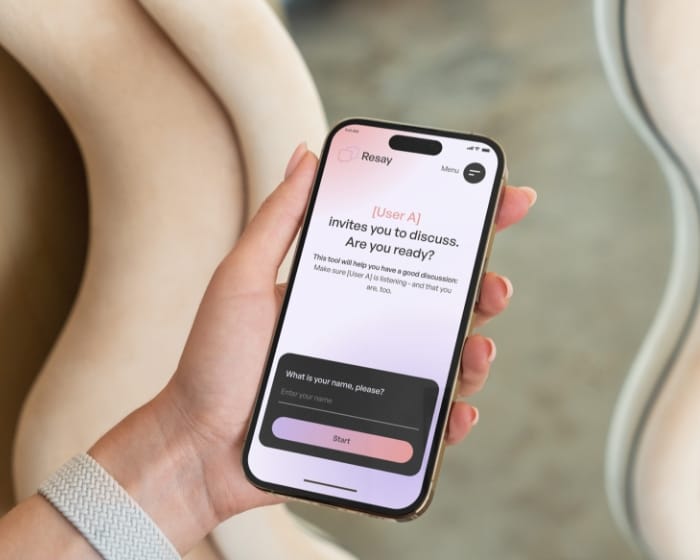
Candidate portal development for teams who need one place for updates, documents, and next steps. We build portals that sync with your ATS (applicant tracking system) and enforce permissions, on WordPress or custom CMS.
5.0


“Collaborating with Studio Ubique proved to be an outstanding experience. Right from the start, they showcased a profound grasp of our vision for House of Books. Their dedication to excellence and innovation shone through every phase of the project. The website they developed not only met but surpassed our expectations, seamlessly blending contemporary functionality with vintage allure.”
5.0
“Project compliant with my expectations, good communication with the designer.”
5.0
“Studio Ubique did a truly outstanding job on our web design project. We had an example to point to for general look we wanted, but our product is fundamentally a lot different from the example website, a lot of differences were needed, and in many instances we really didn't have the vision of what specifically would work and needed to trust Studio Ubique to provide that vision.”
5.0
“Studio Ubique continue to do really excellent work! They are great at taking direction, but also willing to advise when ideas clash with good design. A great team to work with.”
Seen on top review platforms


Portals fail in boring ways, unclear access, missing updates, and document chaos. Candidates chase. Clients chase. Recruiters become human notification systems, which is not a job title anyone asked for.


Some facts
audiences need different views: candidates, clients, and admins.
portal moments need clarity: invite, upload, schedule, decision, close.
rule keeps you safe: log every change, with who and when.
5.0
“They're a multifaceted team, which allows us to share requirements and work with them effectively.”
5.0
“I would highly recommend Studio Ubique for any business if it looks to move into a headless CMS environment. They prioritize user experience with teams who will manage the site long-term and understand the technical side.”
5.0

“Studio Ubique rebuilt our site with a headless CMS (WordPress + Next.js). The new setup offers easy content editing, custom blocks, and a simple publishing flow. Fast, flexible, and stable, it’s perfect for our growing company.”
5.0
“Simply outstanding. I am blown away by the not only the design expertise, but also the site functionality. Worth every dollar, and I will be coming back for more business. Do not look further - you found your developer here.”

We design access so candidates, clients, and admins see only what they should, without breaking workflows.

We build update timelines, notifications, and message threads that reduce chasing and misunderstandings.

Uploads, signatures, retention rules, and download controls that do not turn into a compliance headache.

Clear logs, moderation controls, and support views so your team can resolve issues fast.
If your portal needs to sync with Greenhouse, Lever, Teamtailor, or Recruitee, we’ll design the portal around that reality, not around wishful screenshots. Share what you have, you’ll get a clear scope back.
We’ve been building and maintaining digital products long enough to know what breaks, what scales, and what “urgent” actually means.


Studio Ubique works with startups, agencies, and mid-sized companies who want their product to work better than their competitors’ excuses. We’ve helped 500+ businesses move forward with less chaos.
5.0
“Studio Ubique brought our vision to life with skill, passion, and precision, our website now truly reflects the soul of House of Books.”
5.0
“Despite our delays and unclear vision, Studio Ubique delivered a flawless site with creativity, patience, and total professionalism.”
5.0
“Fastest time ever for a premium website. Willing to make changes, always friendly and helpful - 100% recommend for start-ups and large businesses alike.”
5.0
“Creative, skilled, and budget-conscious, Studio Ubique perfectly translated our vision with care, precision, and a truly personal touch. We used to post and pray. Their paid social and landing pages now bring real sales, not just likes. Clear plan, quick execution.”
5.0
“From rebranding to web design, Studio Ubique has been a key partner, proactive, efficient, and always exceeding expectations with clear, seamless communication.”
5.0
“Studio Ubique understood our vision, responded fast to feedback, and kept the AGN website redesign smooth and efficient. A seamless, goal-driven collaboration from start to finish.”
Most things you’re wondering about are answered here or on the FAQ page. If something’s missing, reach out, humans deserve clarity too.
We build candidate and client portals that combine application tracking, document handling, status updates, messaging and role-based access in one place. The portal runs on either WordPress with custom plugins or a custom CMS, syncs with your ATS via API, and gives candidates, clients and recruiters their own dedicated views with the right permissions.
Typical features include candidate registration, CV and document upload, application status timelines, interview scheduling, client shortlists, audit logs and admin controls. We also build the integrations that make the portal talk to your ATS, CRM, calendar tools and notification systems. For most teams this lands as a custom software project with a clear scope rather than a generic off-the-shelf portal.
We’ve integrated portals with Greenhouse, Lever, Teamtailor, Recruitee, Workable, Bullhorn and several niche European systems. If the ATS exposes a REST API or webhooks, we can sync candidate data, application statuses, documents and notes both ways. If the ATS has an older SOAP or file-based interface, we work around it with middleware.
ATS sync isn’t a tick-box feature. Each system has its own rate limits, its own way of mapping custom fields, and its own pain points around webhooks versus polling. We treat the integration design as a separate work block in the scope: which events trigger which sync, what happens when sync fails, how to monitor drift between portal and ATS, how to handle deletions. That’s usually a week or two of dedicated work depending on how clean the ATS API is.
Each role gets a dedicated view with permissions that limit what they can see, do, edit and download. A candidate sees their own application, status and documents. A client sees their assigned shortlists and feedback flows. A recruiter has internal status notes, candidate routing and bulk actions. An admin handles user management, audit logs and integration health.
Permissions get checked at three levels: the route (can the user access this page at all), the data query (can they see this record), and the field (can they see this specific field on the record). That last one matters for things like salary expectations or internal notes that should stay invisible to candidates and clients. We design the role map with you in the discovery phase, then test each role separately before launch. Adding a new role later is a scope-defined task, not a rebuild.
WordPress works when the portal sits next to a content-driven recruitment website, when your team is already comfortable editing in WordPress, and when the integrations needed are relatively standard. A custom CMS or custom application makes sense when permissions get complex, when you need uncommon data models (multi-client workflows, niche compliance flows), or when performance demands are high (many concurrent uploads, real-time status updates).
We’ve done both. A WordPress portal with custom plugins keeps everything in one familiar admin and works well for recruitment agencies and staffing companies under, say, 50 concurrent users at peak. A custom build (Laravel, Node.js or a similar stack) gives more control when the portal becomes the operational system rather than just a candidate-facing extension of the website. The right answer usually comes down to your roadmap: where the product is going in two years, not just at launch. More background in our CMS development work.
Personal data sits in EU-hosted databases by default (Dutch or German datacentres), encrypted at rest and in transit. Role-based access controls limit who can see what, audit logs record every change, and consent records are stored separately so retention rules can run automatically. We sign a Data Processing Agreement (DPA) with you, and any subprocessors are listed in advance.
GDPR around candidate portals usually has two pressure points: retention (how long can you keep CVs and personal data after an application closes) and consent (proving the candidate agreed to processing). We build retention rules into the data model itself, so deletion happens on schedule rather than depending on someone remembering to run a cleanup script. For consent, we keep an immutable log of when, where and how it was given, separate from the application record. If you have industry rules on top of GDPR (financial services background check rules, healthcare-specific requirements), we work around them in the data model rather than bolting them on later.
Our hourly rate is €60-€65 across all roles (UX, frontend, backend, project management, QA), with our team split between Zwolle and Chandigarh. A typical candidate portal project sits in the €10,000 to €35,000 range, depending on which ATS, how many user roles, how complex the document handling is, and whether you need multi-tenant features. Timelines run from roughly 6 weeks for a focused WordPress portal up to several months for a custom multi-tenant build.
The biggest variable in scope is the integration side: a clean Greenhouse or Teamtailor integration is much faster than a custom integration with an older internal system. The second is multi-client logic. A single-tenant portal (one company, many candidates) is simpler than a multi-tenant portal (an agency with multiple client companies, each seeing only their own data). We scope integration and role complexity in the discovery week so you get a defensible number rather than a placeholder. Schedule a discovery call to walk through your specific requirements.
Yes. After launch we offer ongoing support and maintenance through three packages: Care (4 hours per month, 24 working-hour response), Growth (8 hours per month, 8-hour response) and Partnership (16 hours per month, 4-hour response). Pricing starts at €240 per month, with a three-month minimum term, then monthly cancellable with one month notice.
Most portals need continuous attention rather than just bug fixes: ATS API changes (vendors update endpoints regularly), new compliance rules, new client onboarding flows, new feature requests from candidates or recruiters. For teams who ship features regularly, we also run a dedicated-developer model where a fixed-capacity developer (40 to 160 hours per month) works as an extension of your team. That keeps continuity instead of treating every change as a separate project.








Book a quick 30 min video call, we will show you exactly what to fix. We reply within 24 hours.