Seen on top review platforms


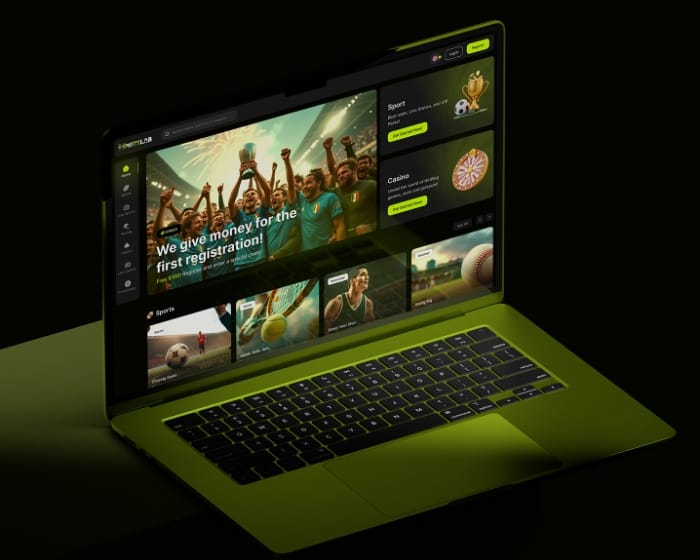
Sportsbook software should work for you, not your vendor. Our sportsbook development team builds custom platforms that integrate with Kambi, Sportradar, or Genius feeds. UI is designed so your traders can update markets and pricing in minutes, not after a vendor support ticket.
Built to handle high-traffic events like cup finals or derby days, with the front-end architecture for sub-second odds updates. We build to your licensed operator specifications.


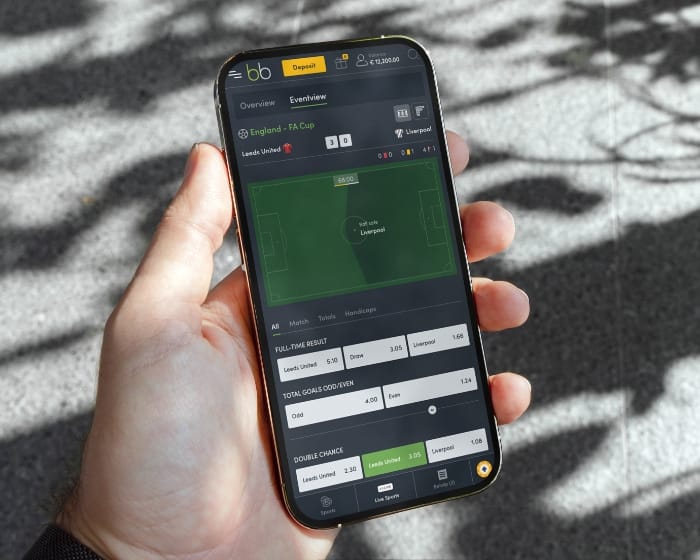
Outdated sportsbook UIs bury odds under clutter and tiny buttons. We rework user flows with thumb-zone mapping, larger betslip triggers, and clearer odds blocks. Users tap once, stake faster, and stay longer.
A half-second delay breaks live betting flow. We rebuild React, Vue or Pixi front-ends, refine WebSocket handlers, and target sub-second odds updates under realistic load. Performance budgets defined against measurable targets, not marketing claims.

Legacy monoliths struggle to adapt to new markets or promo types. Micro-service back-end with modular odds engine, wallet, and risk management layer means traders launch niches or mini-games without re-deploying the entire platform.
Two-week sprints, weekly demos. Design-only, front-end, or full-stack engagements. The six phases below describe what happens in each.
01
We map KPIs, document license requirements you need to satisfy with your regulator, and select data feeds (Kambi, Sportradar, Genius, OpenBet). Output: clear technical scope and integration shape before sprint one.
02
Figma prototypes, motion specs for live odds animations, mobile-first layouts. Designs reviewed against actual betting flow patterns, not generic dashboard templates. Component library documented for future scaling.
03
Wallet management, odds caching, risk rules, API scaffolding. Built with the integrations from sprint one already factored into the architecture, so feed switches later don’t require rebuilds.
04
Integration with Kambi, Sportradar, Genius, OpenBet, or your existing platform. We handle feed mapping, market translations, and the latency-critical parts so live betting actually feels live.
05
Goal animations, score updates, and stat overlays render within sub-second targets. Multilingual support built into the data model. 3D animations where they add to engagement, static rendering where they don’t.
06
Load testing against projected peak traffic (cup finals, derby day), Kubernetes autoscaling configured, traders’ desk training before public launch. Documented runbooks for the first 90 days of production operation.
We’ve been building and maintaining digital products long enough to know what breaks, what scales, and what “urgent” actually means.


Studio Ubique builds custom sports betting software for licensed operators, from startups launching their first sportsbook to existing operators upgrading their stack. Real-time data handling, intuitive UI, and a back-end architecture designed for the markets and promo types you actually need.
The questions that come up most often, answered here. Yours not among them? Just ask, there's a human on the other end.
We build sports betting software. License acquisition is your responsibility as the operator, not ours. That distinction matters: regulators license the operator, not the software vendor. We design and code the platform to meet the technical specifications you provide based on your license requirements (KSA in the Netherlands, UKGC in the UK, MGA in Malta, regional US state regulators, others depending on your target market).
What we do support: technical documentation needed for your regulator submissions, integration with KYC and AML providers that your license requires, RNG (random number generator) certification preparation if your product includes any chance elements, and compliance auditing prep for your security and integrity testing. We don’t pretend to be a licensed software supplier in any jurisdiction. We build to your operator-license specifications.
We’ve integrated with Kambi (turnkey sportsbook), Sportradar (data and feed), Genius Sports (data and feed), OpenBet (platform), and BetGenius (data) for various clients. The pattern: client picks the platform or feed based on their licensing, capital, and trade-off between turnkey speed and customisation freedom, and we build the UI, custom logic, and supporting back-end on top.
For clients who want their own odds and risk management instead of a turnkey platform: we work with custom risk engines, third-party odds compilers, and direct feed integrations. The trade-off is more development time and more in-house operational expertise required, in exchange for full margin control. Worth discussing in discovery which path fits your team size and ambitions.
Realistic launch timelines depend heavily on what kind of build you’re doing. For a custom UI layer over an existing turnkey platform (Kambi, OpenBet): 8 to 16 weeks from kick-off to soft launch, depending on UI complexity and customisations. For a custom-built sportsbook on top of third-party data feeds with proprietary back-end: 6 to 12 months from kick-off to real-money production. For full bespoke platforms with proprietary odds engines and risk management: 12 to 24+ months.
What slows timelines most: license processing time on your end (which can take 6 to 12 months for first-time operators in regulated markets and is outside our control), data feed contract negotiations, integration certification with your KYC and payment providers, and load-testing against the peak traffic scenarios your business model assumes. We scope honestly during discovery rather than committing to dates that don’t survive regulator processing.
Project costs range widely depending on scope. A custom UI layer over an existing turnkey platform typically runs €40,000 to €100,000. A custom-built sportsbook front-end with third-party data feeds and proprietary back-end runs €100,000 to €300,000+. Full bespoke platforms with proprietary odds and risk engines start at €300,000 and can reach €1,000,000+ for full multi-region launches.
Hourly rate is €60-€65 across all roles (UX/UI, frontend, backend, DevOps, project management), with our team split between NL and India. What’s not included in project costs: licensing fees you pay to regulators, data feed subscription costs (Kambi, Sportradar, Genius pricing is direct between you and them), KYC/AML provider fees, payment processor fees, and hosting/infrastructure costs after launch. We document these as separate line items in proposals so total cost-to-launch is clear.
Yes. The US market is fragmented by state, each with its own regulator and rules (New Jersey DGE, Pennsylvania PGCB, Michigan MGCB, Colorado, Tennessee, others). We’ve built sports betting software for US operators in multiple states. The technical patterns are different from European markets: states have specific requirements around geolocation, identity verification, responsible gambling controls, and reporting that European frameworks don’t require in the same form.
For European operators expanding to the US (or US operators expanding to the EU), we plan the technical and operational changes as part of the discovery phase, not as last-minute additions. The two markets have fundamentally different compliance models and trying to retrofit a European platform to US standards (or vice versa) is more expensive than designing for both from the start.
Yes. We take on existing sportsbook codebases for ongoing development and maintenance, particularly when the original development team has moved on or the operator wants to modernise without a full rebuild. Onboarding starts with a code audit: dependency health, test coverage, performance baseline, integration health, and known issues from your team. The audit produces a prioritised list of fixes and recommendations.
For ongoing engagement after the audit: dedicated-developer arrangements (40 to 160 hours per month) treat your sportsbook as a living product. New features, market additions, promo type expansions, and front-end iterations all happen on a sprint cadence rather than as ad-hoc requests. For lighter touch: our website support packages work for clients who just need ongoing maintenance and quarterly review.
Real-time betting infrastructure needs to handle sub-second odds updates during live events, with thousands to tens of thousands of concurrent users hitting refresh during peak moments. We use WebSocket-based feeds for the data layer, Redis or memcached for short-lived caching of frequently accessed odds, CDN for static assets, and Kubernetes autoscaling for the compute layer during peak load.
Performance targets are scoped per project against realistic peak load (cup finals, derby days, championship games), not against marketing-friendly round numbers. Most clients see 200ms to 500ms odds-update latency under peak load with the right infrastructure, but the actual numbers depend on your infrastructure investment and how the data feed itself performs. We measure against your specific operational targets, not against generic claims.








Book a quick 30 min video call, we will show you exactly what to fix. We reply within 24 hours.