Laravel brings MVC structure, built-in migrations, queues, and Blade views so your backlog shrinks rather than sprawls. Add first-party packages like Sanctum for token auth and Horizon for queue dashboards, and you skip weeks of glue code that custom PHP setups still need.
Studio Ubique combines rapid scaffolding with typed tests, CI pipelines, and zero-downtime deploys. Whether you need a storefront, a real-time dashboard, or a backend API for a mobile app, the sprints push clean commits daily and hand you code that an internal team can extend without translation.


Mixed logic and views slow down releases. Our fix: refactor into clean controllers, Blade templates, and service classes, with regression tests on the existing behaviour before any structural changes go in. Features deploy without surprise side effects.
Outdated plugins and manual authentication keeping your audit team up at night? Our fix: Sanctum or Passport token authentication, automatic encryption key rotation, and scheduled dependency checks via Dependabot or Renovate.

Each new queue, job, or mailer adds weeks of repetitive setup if you write the plumbing yourself. Our fix: Horizon for queue dashboards, Scout for search, Echo and Reverb for real-time features, dropping integration time from weeks to days.
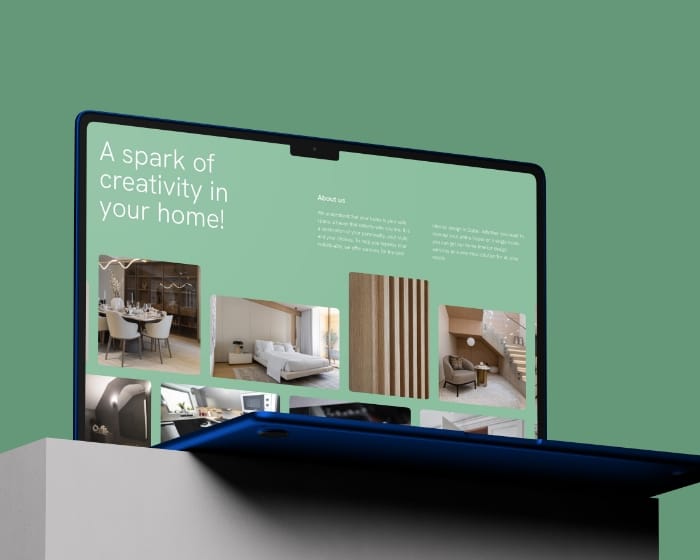
organic traffic grow in 3 months
Custom B2B WordPress website for Pine Tree Lane

average session length, up 61%
Resay: custom web application for smarter workflows

more user engagement after redesign
Sports travel website design and WordPress development for Via Sports Experiences

increase in monthly website visits
Book subscription website design and custom development for House of Books
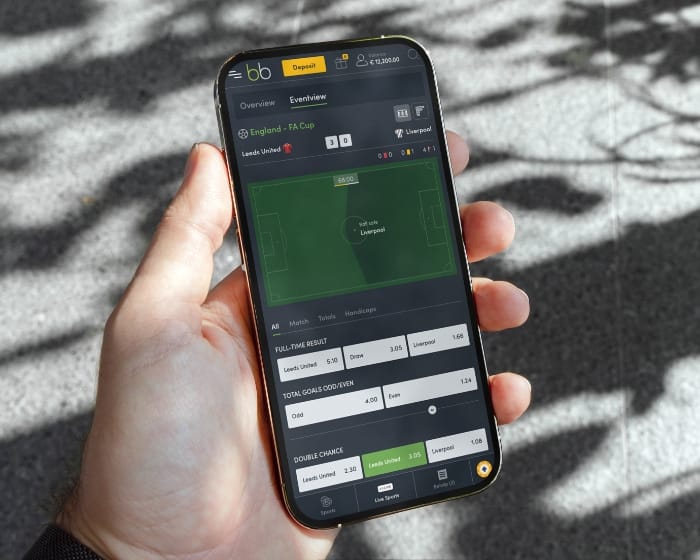
more user actions after redesign
Custom sportsbook platform UX/UI design and development
Six steps for a Laravel project, scaled to project size. Same shape for a €20.000 build and a €80.000 platform.
01
Define goals, map data flows, set clear KPIs. Honest assessment of whether Laravel is the right pick versus a lighter stack like Node.js or a no-code option, since Laravel is overkill for very small scopes. Output: scoping document with recommended approach.
02
Map models, queues, event bus, and plan the scaling path for the realistic traffic profile, not the hypothetical millions-of-users scenario. Output: architecture document plus deployment plan for staging and production environments.
03
Build controllers, write jobs, create tests, deliver working features weekly. Pull requests reviewed before merge, automated test runs on every push, deployment to staging on green builds. Production deployments scheduled with your team.
04
Connect Stripe, SendGrid, custom ERPs, or any third-party API with typed services and full mocking for QA. Integration code stays out of controllers and inside dedicated service classes that are testable in isolation, which matters when integrations break.
05
Load test against realistic peak traffic, set rate limits on public endpoints, implement structured logging with error aggregation. Penetration testing happens before launch for any application handling payment data, user authentication, or sensitive records.
06
Deliver OpenAPI documentation, CI/CD pipelines, environment setup guides, and developer training for your internal team. Need extra capacity for peak sprints? Staff augmentation available via Studio Ubique developers working alongside your team.
FlevoDirect, University of Twente (UT), VIA Sports Experiences, Sokkies. And a few hundred other companies you might not know, but which have certainly been well served. That, on reflection, is the whole story.









Studio Ubique runs Laravel projects for client products handling significant daily request volumes, with Core Web Vitals scores typically above 90 on Lighthouse and stable performance under sustained load.
5.0


“Despite our delays and unclear vision, Studio Ubique delivered a flawless site with creativity, patience, and total professionalism.”
5.0

“Fastest time ever for a premium website. Willing to make changes, always friendly and helpful - 100% recommend for start-ups and large businesses alike.”
5.0
“Studio Ubique’s flexible, creative approach and seamless collaboration boost our site’s design and impact, truly a trusted digital partner.”
5.0
“Great ideas, smooth communication, and a pleasure to work with, Studio Ubique made building our new website a seamless, collaborative process.”
5.0
“From rebranding to web design, Studio Ubique has been a key partner, proactive, efficient, and always exceeding expectations with clear, seamless communication.”
The questions that come up most often, answered here. Yours not among them? Just ask, there's a human on the other end.
Hourly rates run €60 to €65 across all engineering roles. Project ranges depend on scope. Small Laravel applications (admin panels, internal tools, single-purpose APIs): €15.000 to €30.000. Standard web applications (multi-user platforms, content management, eCommerce add-ons): €30.000 to €60.000. Complex platforms (SaaS products, multi-tenant systems, real-time applications with WebSocket features): €60.000 to €150.000+. Staff augmentation rates run the same €60 to €65 per hour with monthly retainer arrangements available for sustained capacity. Our pricing page covers the broader rate structure.
Depends on scope. Small Laravel application (admin panel, internal tool, single-purpose API): 4 to 8 weeks from kickoff to production. Standard web application with multiple user types, integrations, and content management: 10 to 18 weeks. Complex platform with real-time features, multi-tenant architecture, or extensive third-party integrations: 16 to 32 weeks. Discovery and architecture phase typically takes 1 to 3 weeks before coding begins. Production deployment plus a 30-day stabilisation window adds final 4 to 5 weeks to any timeline. Our process page covers the broader project structure.
New projects: Laravel 11 (current major release at time of writing), which adds Reverb WebSocket server, a leaner application structure, and improvements to queue handling. Laravel 12 expected in early 2026 with continued maintenance of 11 for several years. Existing applications on older Laravel versions (Laravel 8, 9, or 10) need upgrade planning. Standard upgrade path: minor version-by-version progression with regression test coverage and dependency updates at each step. Typical upgrade timeline from Laravel 8 to 11: 2 to 6 weeks for moderately complex applications, longer for applications with custom packages or legacy PHP patterns. Applications on Laravel 5, 6, or 7 (end-of-life versions) need a more substantial review before deciding between upgrade and rewrite paths.
Depends on what you actually need. Project work fits when: the scope is well-defined, you want a fixed timeline and deliverable, you don’t want hiring overhead, and the work has a clear end. Studio Ubique handles the engineering plus project management, you sign off on deliverables. Staff augmentation fits when: you have an existing team that needs additional capacity, the work is ongoing rather than project-bound, you want developers integrated into your sprint cadence, or you need specific expertise (Laravel package authors, Vue or React frontend specialists) without permanent hiring. Studio Ubique developers work alongside your team, follow your sprint process, attend your standups. Hourly rates are the same €60 to €65 across both models, the difference is who manages the work. For most one-off builds, project work is cleaner. For sustained product development, staff augmentation often makes more financial and operational sense than hiring permanent developers, especially for non-EU teams who want EU-time-zone coverage.
Honest comparison, since the right answer depends on your context. Laravel: strong choice for monolithic web applications with admin panels, content management, and traditional CRUD plus business logic. Mature ecosystem, large package community, comfortable learning curve for PHP-familiar teams. Node.js (Express, NestJS, or similar): better for real-time applications, microservices, JavaScript-only teams, or when frontend and backend share TypeScript types. Higher operational complexity for traditional CRUD apps. Django (Python): comparable to Laravel for traditional web apps, often chosen when the team is Python-familiar or when machine learning integration matters. Ruby on Rails: comparable feature set to Laravel, less active development in recent years, fewer hosting options. The framework choice matters less than the engineering quality. A well-built Laravel application outperforms a poorly-built Node.js application, and vice versa.
Yes, this is a common scenario. Standard takeover process. First, codebase audit: review architecture, dependencies, test coverage, security state, deployment setup. Output: a written assessment of the codebase quality with specific issues prioritised by risk and effort. Second, knowledge transfer: walkthroughs with the previous developer or team, plus documentation of business logic that isn’t obvious from the code. Third, low-risk stabilisation work: add tests around critical paths, update urgent dependencies, set up monitoring if missing. Fourth, decision point: is the codebase worth continuing to invest in, or does a rewrite make more sense? About a third of legacy Laravel applications we audit recommend rewriting major sections rather than patching, the other two thirds can be stabilised and improved incrementally. The audit alone (without committing to ongoing work) runs €4.000 to €8.000 depending on application size.
Depends on application complexity. Simple Laravel applications with low traffic: shared cPanel hosting with LiteSpeed works fine for sites doing under 10.000 daily requests. Standard Laravel applications: managed VPS with PHP-FPM, Redis for caching and queues, MySQL or PostgreSQL database, Supervisor for queue workers. Studio Ubique can manage this stack or work alongside your existing DevOps team. Complex applications: containerised deployment (Docker plus Kubernetes or simpler alternatives like Cloud Run, ECS, or DigitalOcean App Platform), CI/CD pipeline with automated testing and deployment, separate staging and production environments, log aggregation, monitoring with alerting. Real-time applications using Reverb or Pusher need additional WebSocket-capable infrastructure. The right setup depends on application traffic, team workflow, and operational budget, scoped during the architecture phase. Care, Growth, and Partnership packages cover ongoing maintenance and operations work after launch.
Contact
Not everyone likes to write. Rather talk to someone first? Book a 30 to 45 minute intro call through Calendly. It's free, and by the end you'll know whether a proposal makes sense.
Book a call(opens in a new tab)Tell us what's stuck, what you want to build, or what needs fixing. We usually reply within 1-2 business days.