Next.js sends real HTML on the first request, so crawlers see content immediately and users see pages before JavaScript loads. Static generation for content that doesn’t change, server-side rendering for dynamic data, client-side React for interactivity. You get fast first paints, strong SEO signals, and a stack your React developers already know.
We wire caching, image optimisation and TypeScript into every build, so you pass Core Web Vitals from day one and spend time on features rather than plumbing.


Sprint boards bogged down by hydration mismatches and first-render bugs? Next.js handles most of this through server-side rendering, so the first paint already matches the hydrated state and QA stops chasing ghosts.
Marketing pages hidden behind JavaScript don’t always get indexed. Server-side HTML ensures Googlebot, Bing, and AI crawlers see content on the first request rather than guessing what’s there after hydration.

Your bundle exceeded two megabytes and mobile users started leaving. Next.js code splitting ships only the JavaScript a route actually needs, keeping bundles small and Lighthouse scores high without manual chunk juggling.
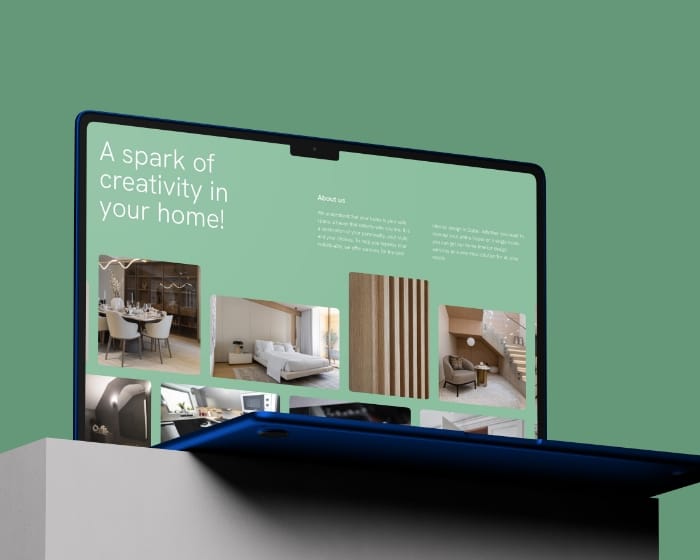
organic traffic grow in 3 months
Custom B2B WordPress website for Pine Tree Lane

more user engagement after redesign
Sports travel website design and WordPress development for Via Sports Experiences
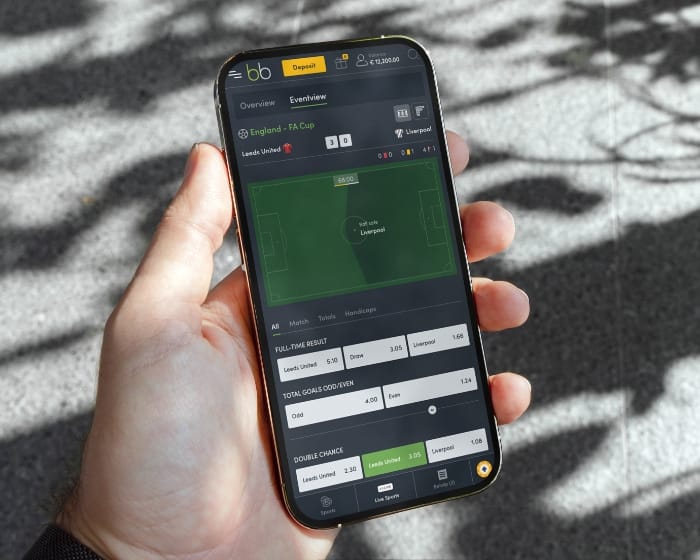
more user actions after redesign
Custom sportsbook platform UX/UI design and development

more quote requests after launch
Elektro.auto: one-page WordPress website for electric car rentals

increase in monthly website visits
Book subscription website design and custom development for House of Books
Two-week sprints, weekly demos. The six steps below describe what happens in each phase. Project length depends on scope, integrations, and migration work.
01
We map the pages and their rendering needs: which pages should be static, which need SSR for fresh data, which need ISR for cached-with-refresh. Plus integration shape and performance budgets.
02
Architecture document covering routing structure, data fetching patterns, access control, and performance budgets. Code repo and CI pipeline configured before sprint one begins.
03
Two-week sprints with daily commits. Pages, API routes, and tests built in parallel. Reusable components and design tokens documented as we go, so the next sprint moves faster than the last.
04
Dependency scanning and OWASP-aligned checks on every build. Automated accessibility tests with axe or Pa11y. Observability via Vercel Analytics, Sentry, or your existing stack.
05
Canary deploy on Vercel, AWS, Cloudflare, or your existing infrastructure. Load test against projected peak traffic. Rollback procedures documented before any production deploy runs.
06
Monthly reviews on Core Web Vitals, hosting costs and feature priorities. Most clients move onto a support package or dedicated-developer arrangement after launch.
FlevoDirect, University of Twente (UT), VIA Sports Experiences, Sokkies. And a few hundred other companies you might not know, but which have certainly been well served. That, on reflection, is the whole story.







Studio Ubique has been building production websites since 2012, with Next.js in the stack mix for projects where front-end performance and SEO genuinely matter.
5.0


“Studio Ubique brought our vision to life with skill, passion, and precision, our website now truly reflects the soul of House of Books.”
5.0

“Project meets my expectations, good communication with the designer.”
5.0
“Despite our delays and unclear vision, Studio Ubique delivered a flawless site with creativity, patience, and total professionalism.”
5.0
“Studio Ubique’s flexible, creative approach and seamless collaboration boost our site’s design and impact, truly a trusted digital partner.”
5.0

“Studio Ubique boosted our site’s speed, security, and UX. With timely delivery, proactive updates, and expert execution, they’ve become a trusted partner in our digital growth.”
5.0

“From rebranding to web design, Studio Ubique has been a key partner, proactive, efficient, and always exceeding expectations with clear, seamless communication.”
5.0

“Studio Ubique redesigned our internal tools, making our old, clunky system user-friendly and efficient. Great communication, smart recommendations. Highly recommend.”
The questions that come up most often, answered here. Yours not among them? Just ask, there's a human on the other end.
Next.js fits best when you need fast first paints with React (server-side rendering or static generation), strong SEO on JavaScript-heavy pages, or both. Marketing sites that need to rank well, eCommerce storefronts where page speed affects conversion, and dashboards or admin tools where React makes sense but client-only rendering would hurt SEO or initial load.
Next.js is usually not the right choice for simple WordPress-replaceable marketing sites (overkill, classic WordPress is faster to build and easier for editors), real-time apps where WebSockets dominate (React with a lighter framework can fit better), or projects where your team has zero React experience and the timeline is tight. We work in several frontend stacks and pick based on the project.
Static generation (SSG) for pages that don’t change often: marketing pages, blog posts, documentation. Built once at deploy time, served from CDN. Fastest option. Server-side rendering (SSR) for pages with dynamic per-request data: personalised dashboards, authenticated views, real-time pricing. Built fresh on each request.
Incremental static regeneration (ISR) for pages that change occasionally but don’t need real-time freshness: product pages on an eCommerce site, news articles, category pages. Cached statically but regenerated on a schedule or trigger. Client-side rendering (CSR) for highly interactive views where SEO doesn’t matter: admin tools behind authentication, real-time visualisations. Most real projects use a mix, mapped to each page’s actual needs.
Vercel is the default for most projects because it’s built by the same team that maintains Next.js, edge functions and ISR work out of the box, and deployment is straightforward. Costs scale with traffic and can get high for traffic-heavy sites, so for those we evaluate alternatives.
For self-hosted or alternative platforms: AWS (via Amplify, ECS, or custom setups), Cloudflare Pages with Workers for edge rendering, Netlify for similar workflow to Vercel at different pricing, or your own infrastructure if you have ops capacity. We document the deployment setup so you’re not locked into whoever wrote the deploy scripts.
Server-side rendering or static generation for all crawlable pages, so search engines see content on the first request rather than guessing what JavaScript will render. Structured data generated from page data, sitemap generated dynamically, Open Graph and Twitter Card metadata set per page. Time-to-first-byte and Core Web Vitals optimised from day one rather than as a post-launch project.
Common SEO failure modes on Next.js projects: pages incorrectly set to CSR that should be SSR or SSG, structured data implemented inconsistently across templates, image optimisation not configured properly so Largest Contentful Paint scores tank, and migration losing URL equity because old routes weren’t mapped. We handle these in the architecture phase, not as last-minute fixes.
Migration from a Create React App or Vite-based React SPA to Next.js is usually the cleanest: components mostly port directly, the work sits in routing, data fetching, and adding server-side rendering where it pays off. Migration from Vue or Nuxt is heavier because the component layer needs rewriting in React, but the architecture patterns transfer.
Migration from WordPress to Next.js (often as a headless WordPress setup with Next.js as front-end) is a bigger project: content model mapping, plugin functionality replacement or rebuild, URL redirects to preserve SEO, and editorial workflow rethinking. We do these in phases when possible: front-end on Next.js first, gradual content migration second, then plugin replacement. Worth scoping properly in discovery.
Our hourly rate is €60-€65 across all roles. A focused Next.js marketing site or storefront with a clean design and an existing API to integrate with typically runs €15,000 to €40,000. Larger projects with custom backend work, complex integrations (CMS, eCommerce platform, internal systems), or multi-region requirements run €40,000 to €100,000+.
Timelines run from 8 weeks for a focused build to several months for larger projects. The biggest scope variables are backend work (if you don’t have an existing API, we build one alongside the Next.js work), CMS integration complexity, and migration scope from any existing site. Schedule a discovery call to walk through what you actually need.
After launch we offer website support packages: Care (4 hours/month, 24 working-hour response), Growth (8 hours/month, 8-hour response) or Partnership (16 hours/month, 4-hour response). Pricing starts at €240 per month, three-month minimum term, then monthly cancellable.
Next.js projects need ongoing attention because the framework releases major versions roughly annually, React itself evolves, and dependency updates need testing against the rendering modes the project uses. For teams shipping continuously, a dedicated-developer arrangement (40 to 160 hours per month) treats the project as a living product.
Contact
Not everyone likes to write. Rather talk to someone first? Book a 30 to 45 minute intro call through Calendly. It's free, and by the end you'll know whether a proposal makes sense.
Book a call(opens in a new tab)Tell us what's stuck, what you want to build, or what needs fixing. We usually reply within 1-2 business days.