You’re working against deadlines: licensing, supplier integrations, and a launch window that doesn’t care about your backlog.
We build sportsbook platforms with real-time odds transport, clear UX for in-play, and the compliance plumbing required for the Dutch market and similar regulators, so you can go live and keep operating calmly after go-live.


Long freezes and endless sign-offs burn money. We start with a platform baseline (services, admin, monitoring, release flow) and ship in slices, so you can see progress early and keep decisions grounded in reality.
Compliance looks simple until someone asks for evidence. We implement AML/KYC routines, responsible gaming controls, and audit logging as part of the build, so you can answer regulator questions with data, not vibes.

Live odds means constant change, and constant change means load. We design for burst traffic and fast bet placement so the platform stays responsive when everyone piles in at the same minute.
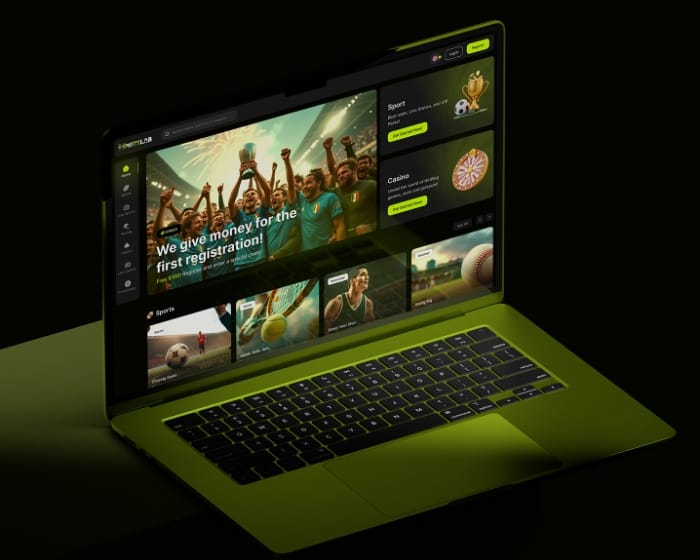
dev cost savings since 2023
Sportsbook UI design & dedicated dev team
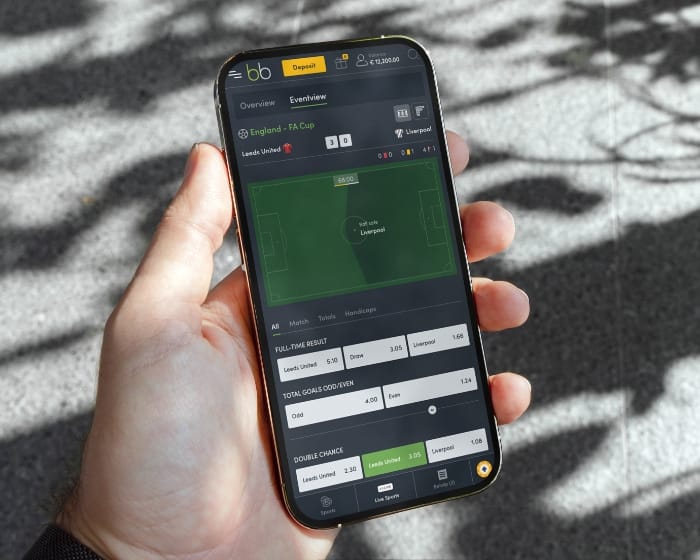
more user actions after redesign
Custom sportsbook platform UX/UI design and development
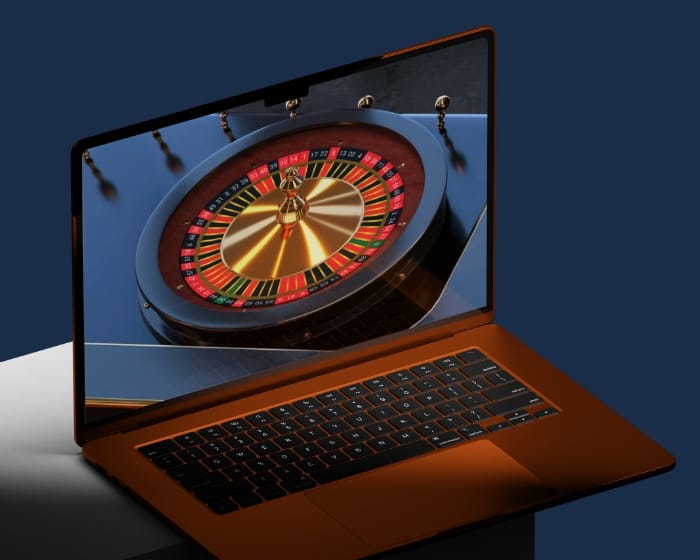
longer sessions. 40K visits in week one
Web-based 3D roulette game design and development

new users in 2 months
Sports prediction platform UX/UI design for Bloggyfoot
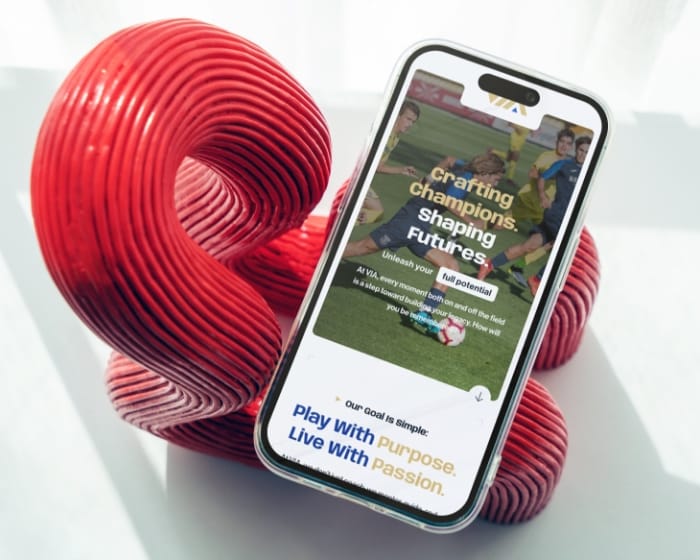
more user engagement after redesign
Sports travel website design and WordPress development for Via Sports Experiences
Here’s how we run sportsbook builds so they don’t turn into endless architecture debates: align on scope and licensing, prototype the key flows, build the core services, integrate feeds, then harden and ship.
01
Discovery sessions with your team to map regulatory scope (which licenses, which jurisdictions), supplier dependencies (which odds feeds, payment processors, KYC providers), and the launch window with its non-negotiables. Roadmap output before scoping locks in.
02
Figma flows tested with real bettors, with four quick-swap UI themes built for multi-brand operators running parent and sub-brand portfolios. Prototypes cover live in-play, pre-match, account, and responsible-gaming flows.
03
Vue or React frontends, Node.js or Laravel services, real-time odds delivered through WebSocket connections, CI/CD pipelines configured for your hosting setup. Architecture decisions documented as ADRs so the next team can read your codebase without archaeology.
04
Three.js for 3D casino game elements (roulette, table animations), live sports data feeds from Sportradar or Betradar, load testing against realistic match-day traffic profiles, security testing including AML/KYC flow integrity, and dependency audit before production rollout.
05
Staged rollouts with canary deployments, licensing application support, performance monitoring against your defined SLOs, weekly growth sprints during the first 90 days post-launch when traffic patterns shake out and configuration needs adjusting.
FlevoDirect, University of Twente (UT), VIA Sports Experiences, Sokkies. And a few hundred other companies you might not know, but which have certainly been well served. That, on reflection, is the whole story.







Studio Ubique builds sportsbook software for operators across the Netherlands, Germany, and the UK, sized for startups through mid-market platforms with regulatory complexity but not enterprise headcount.
5.0


“Studio Ubique brought our vision to life with skill, passion, and precision, our website now truly reflects the soul of House of Books.”
5.0

“Project meets my expectations, good communication with the designer.”
5.0
“Simply outstanding. I am blown away by the not only the design expertise, but also the site functionality. Worth every dollar, and I will be coming back for more business. Do not look further - you found your developer here.”
5.0

“Fastest time ever for a premium website. Willing to make changes, always friendly and helpful - 100% recommend for start-ups and large businesses alike.”
5.0
“Studio Ubique’s flexible, creative approach and seamless collaboration boost our site’s design and impact, truly a trusted digital partner.”
5.0

“Studio Ubique earned our trust with their expertise and results. What started as one project grew into a long-term collaboration thanks to their consistent delivery and professionalism.”
5.0
“Studio Ubique built custom software that boosted our project tracking, saved time, and improved team collaboration, delivered on time, with solid communication and real technical skill. Demo requests went up 32% quarter over quarter. The dashboards show what to scale and what to pause, no guessing.”
5.0
“Great quality delivery in a fast time for a good price. I can´t really expect more from a service provider. Big recommendation!”
The questions that come up most often, answered here. Yours not among them? Just ask, there's a human on the other end.
White-label platforms fit when speed-to-market matters more than differentiation: you license a complete sportsbook backend with odds, risk management, and compliance baked in, configure the front-end branding, and launch in months. Cost is typically a setup fee plus revenue share (often 8 to 20% of gross gaming revenue). Tradeoffs: limited UX customisation, dependency on the platform’s roadmap, no real product differentiation versus other operators using the same platform, and the platform owns the data.
Custom sportsbook software fits when differentiation, data ownership, and long-term economics matter more than time-to-market. You build your own odds engine, risk tools, and UX, integrate live data feeds directly (Sportradar, Betradar, Stats Perform), and pay no revenue share. Build costs run €200,000 to €1,500,000+ depending on scope and licensing complexity. Hybrid approaches exist: white-label core with custom front-end, custom core with licensed odds feeds. Custom software development covers the broader build-versus-buy framework.
Cost drivers: scope of betting markets (football and tennis only versus 25+ sports), depth of in-play features (basic versus advanced cash-out, bet builder, same-game parlays), risk management sophistication (basic limits versus dynamic risk-based pricing), regulatory scope (single jurisdiction versus multi-licence), and data feed integration depth (one provider versus failover across multiple). Build costs realistic ranges: focused MVP sportsbook with limited markets and basic in-play runs €200,000 to €400,000 over 6 to 9 months. Full-feature sportsbook with comprehensive market coverage, advanced in-play, multi-licence compliance runs €500,000 to €1,500,000+ over 9 to 18 months.
Studio Ubique hourly rate is €60 to €65 across roles. Typical engagement model: fixed-budget proposal for scoped MVP, then time-and-materials or fixed-budget feature sprints post-launch as the platform matures with real traffic data. Licensing costs are separate (KSA application fees, MGA, UK Gambling Commission depending on jurisdiction). Pricing and rates page covers the broader rate structure.
Regulatory frameworks vary substantially by jurisdiction. Dutch KSA (Kansspelautoriteit) requires: licensed entity in EU, AML and KYC procedures aligned with the Wet ter voorkoming van witwassen, responsible gaming controls (deposit limits, self-exclusion, CRUKS database integration), advertising restrictions, and detailed audit logging accessible to the regulator on request. UK Gambling Commission has similar AML/KYC requirements plus specific reporting on suspicious activity and player protection. Malta MGA is often the first licence for operators targeting European markets and has its own compliance baseline.
What the build needs to deliver for compliance: AML/KYC integration with providers like Onfido, Jumio, or Veriff, responsible gaming controls implemented at the platform level (not as feature flags that can be disabled), CRUKS database integration for Dutch operators, audit logging with retention aligned to regulator requirements, and reporting endpoints that regulators can access on request. Compliance is part of the build, not a layer added afterwards. More on how we work covers the broader compliance approach.
Live odds delivery has three components: data source (Sportradar, Betradar, Stats Perform, Genius Sports are the major providers, each with different sport coverage strengths and pricing models), transport layer (WebSocket connections preferred over HTTP polling for latency reasons, with reconnection logic for inevitable disconnects), and your platform’s processing (deduplication, normalisation across providers if you use more than one, risk adjustments applied before display to bettors).
Integration patterns we’ve shipped: single-provider primary with manual failover documentation, dual-provider with automated failover at the feed handler level, multi-provider with sport-specific routing (Sportradar for football, Betradar for tennis, etc.) where coverage strengths align with operator priorities. Failure modes matter more than happy paths: feed disconnects during a live match are common, your platform needs explicit behaviour for missing data (suspend market, fall back to last known price, kill bet acceptance) tested under realistic conditions before launch. Backend development work covers the broader data integration approach.
Backend: Node.js or Laravel services depending on team preference, with WebSocket support for real-time odds delivery. PostgreSQL or MySQL for transactional data (bets, accounts, settlements), Redis for in-memory state (current odds, active sessions), Kafka or RabbitMQ for event processing (bet placement events, settlement events, audit logging). Frontend: Vue.js or React, with server-side rendering where SEO matters (marketing pages, sport landing pages) and client-side state for the live betting experience. Mobile: React Native for cross-platform when budget is tight, native iOS and Android when performance matters more.
Specific to sportsbook: WebSocket reconnection logic with offline queuing of bet attempts, optimistic UI on bet placement with rollback on rejection, dedicated risk engine processing pipeline separated from user-facing services so risk decisions don’t block UX. Hosting needs low-latency network to data feed providers (typically EU regions match best for Sportradar and Betradar primary nodes), with multi-region failover for revenue protection during outages. Custom software development covers the broader stack and architecture decisions.
For web-based 3D casino elements, we’ve shipped Three.js implementations for roulette, blackjack, baccarat, and slot animations. Approach: WebGL renderer with fallback to Canvas 2D for older devices, deterministic random number generation server-side with the visual layer purely presentational (the wheel doesn’t decide where the ball lands, the server does and the wheel animates accordingly), physics tuned for visual realism without affecting outcome. For mobile, the 3D layer adapts to device capability, low-end devices fall back to 2D representations rather than choking on heavy rendering.
What matters for casino game integrity: certified RNG provider on the server (iTech Labs, GLI, BMM certifications), audit trail for every outcome tied to the random seed used, regulator-accessible logging for outcome verification, and clear separation between the visual layer (entertainment) and the outcome layer (regulated). The visual layer can be customised heavily for brand differentiation; the outcome layer follows regulatory constraints strictly. Casino software development covers the broader gambling software approach.
You own the code, the repository, the documentation, the credentials, the deployed infrastructure, and the contractual relationships with each data feed provider, payment processor, and KYC vendor. IP transfers on payment as part of our standard terms. No proprietary frameworks that only Studio Ubique can maintain, no platform lock-in beyond what you’ve chosen with your cloud and licensing providers. The codebase uses standard tools (Vue.js or React, Node.js or Laravel, PostgreSQL or MySQL) so any team familiar with modern web development can take over.
Handover at end of project: codebase walkthroughs for the non-obvious decisions (WebSocket reconnection logic, risk engine separation, compliance event flow), runbook for deployment and rollback with regulator-acceptable downtime windows, list of supplier contacts for partner-level support escalation, and follow-up availability during the receiving team’s onboarding. For agencies who’ve built sportsbook software for their end clients with us under white-label arrangements, the handover is structured around the multi-stakeholder situation. White-label services cover that handover structure.
Contact
Not everyone likes to write. Rather talk to someone first? Book a 30 to 45 minute intro call through Calendly. It's free, and by the end you'll know whether a proposal makes sense.
Book a call(opens in a new tab)Tell us what's stuck, what you want to build, or what needs fixing. We usually reply within 1-2 business days.