Svelte clears the runtime out of the way. Your markup ships as lean JavaScript that writes to the DOM directly, no virtual diff, no framework baggage. With SvelteKit you add file-based routing, API endpoints, and zero-config SSR in one sweep. The result is faster first paint, friendlier Core Web Vitals, and code so readable your team starts refactoring legacy pages on day one.
Studio Ubique folds TypeScript, Playwright tests, and CI into every repo, so changes leave staging quickly while budgets stay calm. The team treats seconds saved on load time as revenue gained.


Your Lighthouse scores scream red as bulky frameworks choke low-end phones. Svelte compiles the framework away into lean code, so pages load fast even on a mid-range Android over 4G.
SEO stalls because crawlers meet a blank JavaScript shell instead of content. SvelteKit prerenders or streams real HTML on request, so crawlers index actual content, not an empty container.

Feature work drags under heavy state management libraries. Svelte’s built-in reactivity removes the boilerplate, and typed stores update the UI without the wiring that Redux-style setups demand.

faster development kickoff time after our XD hand-off
Dark-mode branding and website for a premium software agency

organic traffic grow in 3 months
Custom B2B WordPress website for Pine Tree Lane

average session length, up 61%
Resay: custom web application for smarter workflows

more user engagement after redesign
Sports travel website design and WordPress development for Via Sports Experiences
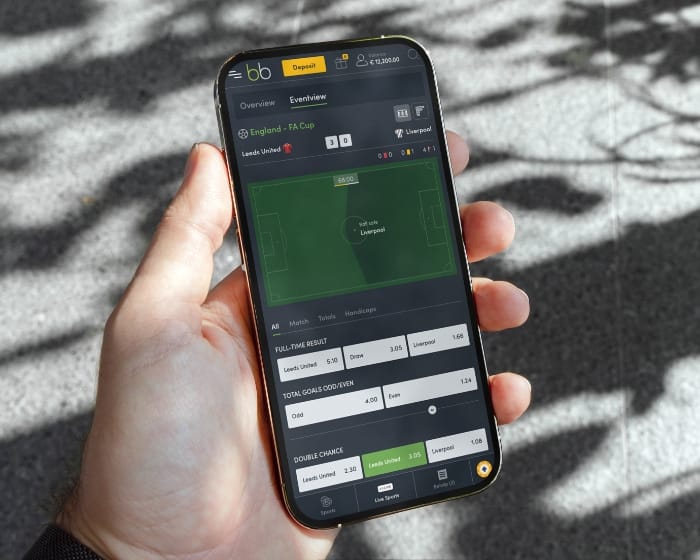
more user actions after redesign
Custom sportsbook platform UX/UI design and development
Great code needs clear steps. We turn ideas into reliable releases through a process that keeps risk low and release cadence high.
01
Joint workshop, performance analysis, and a full audit of your current stack. Based on traffic patterns, we help you choose the render strategy: SSR, prerender, or hybrid per route.
02
We plan routing, data loading, and access control, with budgets and timelines set before development begins. The blueprint covers what renders on the server, what hydrates on the client, and where the data comes from.
03
Cross-functional squads build components, endpoints, and tests, following an internal handbook for naming and accessibility. Daily commits and fortnightly demos keep the build visible, not a black box until launch.
04
Automated checks run Lighthouse, Axe accessibility scans, and dependency risk analysis on every pull request. Reviews focus on one thing teams forget to track: bundle size budgets that hold over time.
05
Preview branches deploy to edge nodes, blue-green deployments keep rollouts low-risk, and monitoring dashboards check performance from day one. Each release ships with a rollback path, not just hope.
06
Monthly check-ins review Core Web Vitals, bundle drift, and roadmap pressure, through Care, Growth, or Partnership packages. Bundle drift is the quiet one: small additions stack up until the site is slow again, so we track it before it shows up in your metrics.
FlevoDirect, University of Twente (UT), VIA Sports Experiences, Sokkies. And a few hundred other companies you might not know, but which have certainly been well served. That, on reflection, is the whole story.







Teams pick our Svelte development services because deadlines stay met, bundles stay light, and rankings climb. Ask for references and repo samples, we share inside a business day.
5.0


“Studio Ubique brought our vision to life with skill, passion, and precision, our website now truly reflects the soul of House of Books.”
5.0

“Project meets my expectations, good communication with the designer.”
5.0
“Despite our delays and unclear vision, Studio Ubique delivered a flawless site with creativity, patience, and total professionalism.”
5.0
“Studio Ubique’s flexible, creative approach and seamless collaboration boost our site’s design and impact, truly a trusted digital partner.”
5.0

“Studio Ubique boosted our site’s speed, security, and UX. With timely delivery, proactive updates, and expert execution, they’ve become a trusted partner in our digital growth.”
5.0

“From rebranding to web design, Studio Ubique has been a key partner, proactive, efficient, and always exceeding expectations with clear, seamless communication.”
The questions that come up most often, answered here. Yours not among them? Just ask, there's a human on the other end.
Depends on application complexity and integration count. A marketing site or content-driven site in SvelteKit with prerendering, CMS integration, and a clean component library: €15.000 to €30.000. A web application with SvelteKit, server-side rendering, user authentication, 3 to 6 integrations, and a real data layer: €30.000 to €60.000. Complex applications with custom dashboards, real-time features, multiple integrations, or migration from a legacy frontend: €50.000 to €100.000+. Hourly rates run €60 to €65 across frontend engineering, architecture, and project management. Svelte projects sometimes cost slightly less than equivalent React projects because the smaller framework footprint and built-in reactivity reduce boilerplate, though the difference is project-specific, not a guarantee. Our pricing page covers the broader rate structure.
Svelte fits well in specific cases, and it is not always the right answer. Svelte makes sense when: bundle size and first paint matter (marketing sites, content sites, apps targeting low-end devices or slow networks), the team values readable code without heavy abstraction, the project is greenfield (no existing React or Vue codebase to extend), and the feature set does not depend on a large third-party component ecosystem. React still makes more sense when: the project needs a mature ecosystem of ready-made components (complex data grids, charting libraries, design systems), the team or client already has React expertise and wants to keep hiring from a large talent pool, or the application depends on React-specific libraries with no Svelte equivalent. Vue sits between the two. The honest tradeoff with Svelte: smaller talent pool than React, fewer ready-made libraries, so more gets built from scratch. For a performance-focused greenfield project that is a fair trade. For a large enterprise app that needs to hire 20 developers next year, React is often the safer call. We build in all three and recommend based on the actual project, not framework preference.
Svelte is the component framework, the part that compiles your components into lean JavaScript. SvelteKit is the application framework built on top of Svelte, the part that handles everything around the components: file-based routing, server-side rendering, prerendering, API endpoints, data loading, and deployment adapters for different hosting platforms. For a simple embedded widget or a component added to an existing site, plain Svelte is enough. For a full website or web application, SvelteKit is almost always the right choice, since it provides the routing, rendering strategy, and server-side capabilities a real application needs. Most Studio Ubique Svelte projects use SvelteKit. The render strategy decision (server-side rendering, prerendering, or client-side rendering per route) happens during discovery, based on whether a route needs fresh data on every request, can be built once at deploy time, or works fine rendering in the browser.
Yes, though whether you should is a separate question worth discussing honestly. Frontend migration to Svelte makes sense when: the current frontend has genuine performance problems that profiling traces back to framework overhead, the existing codebase is small to mid-size (a full rewrite of a large app rarely pays off), or the current code is already due for a rebuild for other reasons. Migration usually does not make sense purely to chase Svelte’s benefits if the current frontend works fine, since a working React or Vue app rarely justifies a full rewrite on performance grounds alone. Standard migration approach: audit the existing frontend, rebuild route by route in SvelteKit while the old app stays live, run both in parallel behind a routing layer, cut over per section once verified, decommission the old frontend after a verification period. Migration scope depends heavily on application size and how much business logic lives in the frontend versus the backend, typically €20.000 to €70.000. For a small frontend a clean rebuild is often faster than a careful migration.
A fair question, and worth being honest about. Svelte is a mature, stable framework with strong adoption among developers, consistently high satisfaction scores in the State of JS survey, and active maintenance. Svelte 5 brought a significant update to its reactivity model. The framework is not going away. The genuine risk is not Svelte’s survival, it is the talent pool. There are fewer Svelte developers than React developers, so if your plan is to hire a large in-house frontend team quickly, React gives you a deeper hiring market. For a project built and maintained by an agency, or a small in-house team, that risk is limited. Studio Ubique mitigates it two ways: SvelteKit code is readable enough that a competent React or Vue developer can become productive in it within a couple of weeks, and we provide ongoing support through Care, Growth, or Partnership packages so you are not dependent on finding Svelte specialists on short notice. If long-term in-house Svelte hiring is a real concern, we will say so during discovery rather than after launch.
Standard 30-day post-launch monitoring and bug fixes window after go-live. During this window: regular check of Core Web Vitals and error logs, review of any anomalies, immediate response to broken functionality during business hours. After 30 days, ongoing support moves into one of the Care, Growth, or Partnership packages. Svelte projects need active maintenance like any other: Svelte and SvelteKit ship updates (Svelte 5 was a major one), dependencies update with breaking changes, and bundle drift sets in as features get added. Bundle drift is the Svelte-specific maintenance item worth watching: the framework starts lean, but small additions stack up over months until the performance advantage erodes. Monthly check-ins under Growth or Partnership packages track bundle size against budget so this gets caught early. New features and additional routes get scoped as separate sprints. Automated monitoring runs 24/7, human response during business hours.
Contact
Not everyone likes to write. Rather talk to someone first? Book a 30 to 45 minute intro call through Calendly. It's free, and by the end you'll know whether a proposal makes sense.
Book a call(opens in a new tab)Tell us what's stuck, what you want to build, or what needs fixing. We usually reply within 1-2 business days.