React is mature, predictable, and backed by a large community. Components let you build a UI as reusable pieces. The virtual DOM keeps renders efficient. Hooks handle state without the class-component complexity that older React code carried. Your marketing team gets crawlable markup with the right rendering strategy. Your developers get a stack they already know.
We add TypeScript for type safety, ESLint for consistency, Storybook for component documentation, and CI on every commit. New features ship to production, bugs get caught earlier in the staging environment.


Solution: virtual DOM diffing and selective memoisation reduce unnecessary re-renders. Combined with proper code splitting, pages stay responsive even on mid-range devices. Performance work measured against Core Web Vitals, not against marketing claims.
Solution: server-side rendering or static export delivers full HTML on the first request. Crawlers (Googlebot, Bing, AI crawlers) index content immediately rather than waiting for hydration. We pick SSR, SSG, or ISR per page based on what each page actually needs.

Solution: component tests in Jest, end-to-end tests in Playwright, runs on every commit through CI. Regressions get caught before they reach staging. Visual regression testing on critical UI components, since pixel-level changes don’t always show up in functional tests.

languages from day one
Webshop for custom printed socks, without a checkout
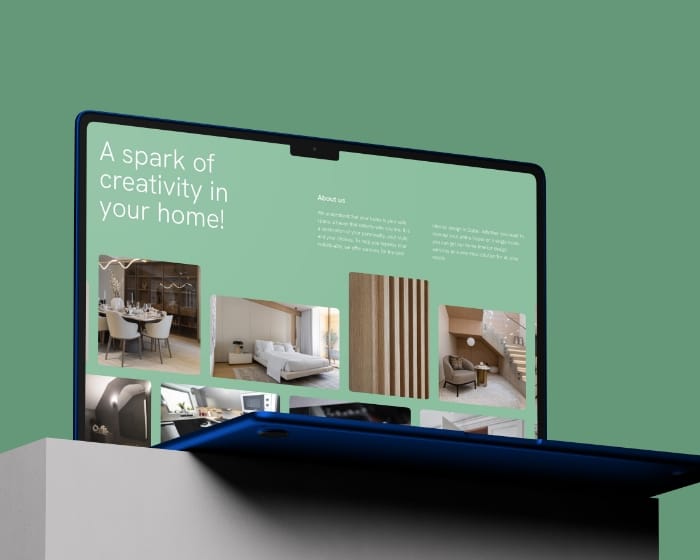
organic traffic grow in 3 months
Custom B2B WordPress website for Pine Tree Lane

average session length, up 61%
Resay: custom web application for smarter workflows

more user engagement after redesign
Sports travel website design and WordPress development for Via Sports Experiences

increase in monthly website visits
Book subscription website design and custom development for House of Books
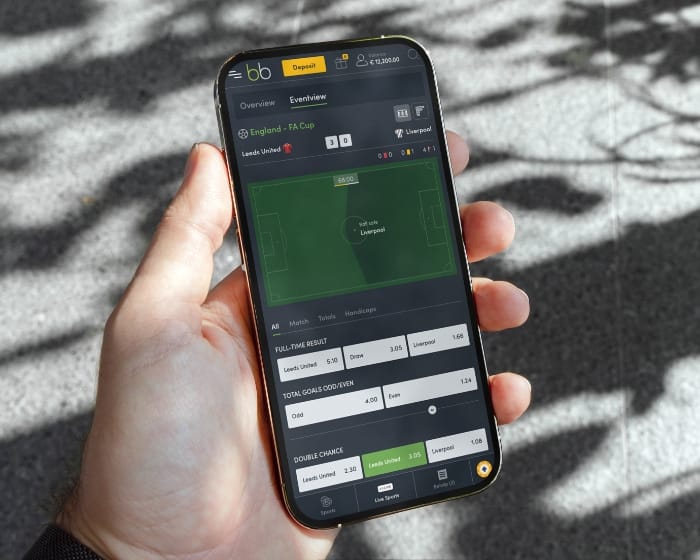
more user actions after redesign
Custom sportsbook platform UX/UI design and development
Two-week sprints with weekly demos. The six steps below describe what happens in each phase. Project length depends on scope and integrations.
01
We map your goals, expected traffic patterns, and compliance constraints. The output is a clear decision on which rendering strategy fits per page (SPA, SSR, SSG, or a mix) and a backlog prioritised by what proves the most value first.
02
Architecture document covering component hierarchy, state management approach (Context, Redux, Zustand, or Jotai depending on scope), API contracts, and performance budgets. Repo and CI pipeline set up before sprint one begins.
03
Two-week sprints with daily commits and weekly demos. Components built with accessibility checked from the start (axe-core or Pa11y in CI). Code review on every merge, unit and integration tests on critical business logic.
04
Lighthouse audits, axe accessibility checks, dependency vulnerability scans, all running in CI. Manual code review for performance budgets, bundle size monitoring, and design parity checks before any sprint closes.
05
Feature flags for gradual rollout, blue-green or canary deployment depending on hosting setup, synthetic monitoring on critical user paths. Rollback procedures documented and tested before any production deploy goes out.
06
After launch, monitoring on Core Web Vitals, bundle size trends, and user behaviour. Monthly review with prioritised optimisation list. Most clients move to a support package or dedicated-developer arrangement after launch.
FlevoDirect, University of Twente (UT), VIA Sports Experiences, Sokkies. And a few hundred other companies you might not know, but which have certainly been well served. That, on reflection, is the whole story.







Studio Ubique has been building digital products since 2012, with React in the stack for projects where component reuse, server-side rendering, and SEO compatibility actually matter. We share references and code samples on request, usually within the same business day.
5.0


“Studio Ubique brought our vision to life with skill, passion, and precision, our website now truly reflects the soul of House of Books.”
5.0

“Project meets my expectations, good communication with the designer.”
5.0
“Despite our delays and unclear vision, Studio Ubique delivered a flawless site with creativity, patience, and total professionalism.”
5.0
“Studio Ubique’s flexible, creative approach and seamless collaboration boost our site’s design and impact, truly a trusted digital partner.”
5.0

“Studio Ubique boosted our site’s speed, security, and UX. With timely delivery, proactive updates, and expert execution, they’ve become a trusted partner in our digital growth.”
5.0

“From rebranding to web design, Studio Ubique has been a key partner, proactive, efficient, and always exceeding expectations with clear, seamless communication.”
The questions that come up most often, answered here. Yours not among them? Just ask, there's a human on the other end.
React fits best when you need a large component library with strong ecosystem support, when your team or future hires already know React (it’s the most widely used frontend framework in commercial development), or when you’re building on a stack that already uses React-adjacent tools (Next.js, Remix, Gatsby). It’s also the right answer when you need flexibility on rendering strategy because React works in CSR, SSR, SSG and hybrid setups without changing the component code.
React is not always the right choice. Vue fits well for teams that prefer the single-file-component model and the slightly gentler learning curve. Svelte fits when bundle size matters more than ecosystem (compiled output is significantly smaller). Vanilla JavaScript or Web Components fit for very simple sites where a framework adds overhead without value. We work in multiple frontend stacks and pick based on the project, not the framework we feel like writing this month.
Depends on what the project needs. Next.js for projects that need server-side rendering, static generation, or both, with good SEO defaults and the largest deployment ecosystem (Vercel, AWS, Cloudflare, self-hosted). Remix for projects where the data-loading patterns benefit from its nested-route model, often dashboards and admin tools.
Plain Vite-based React SPA for projects where SEO isn’t a concern (internal tools, authenticated dashboards, admin apps behind a login) and the team wants minimal framework opinion. Create React App is no longer actively maintained, so we don’t start new projects on it. Migrations from CRA to Vite are quick. We discuss the choice in discovery based on your actual SEO needs, hosting preferences, and team experience.
Context API for state that’s truly global but doesn’t change often (auth, theme, user preferences). React’s built-in tools handle this without external dependencies. Zustand or Jotai for state that changes frequently and needs to be shared across components without prop-drilling, both are lighter than Redux and faster to learn. TanStack Query (formerly React Query) for server state, which is a different problem than UI state and benefits from purpose-built caching.
Redux fits when you have complex client-side state with significant business logic, multiple developers, or strict requirements for time-travel debugging and middleware. Most new projects don’t need Redux’s overhead, and we don’t add it unless the project genuinely benefits. Existing projects on Redux: we keep working with what’s there, no rewrite required.
Server-side rendering or static generation for all crawlable pages, so search engines see real HTML on the first request rather than waiting for JavaScript to hydrate. For marketing sites and content-driven pages this means Next.js or Remix with SSR/SSG. For SPAs that have a public-facing component (some pages crawlable, others behind auth), we set up prerendering for the crawlable routes while keeping the rest as SPA.
Common SEO failure modes on React projects: pages set to client-side rendering that should be SSR, dynamic content not appearing in the rendered HTML because of useEffect timing, image optimisation not configured properly so Largest Contentful Paint scores tank, and routes losing equity in migrations because old URLs weren’t redirected. We handle these in the architecture phase, not as post-launch fixes.
Both. Most of our React work involves taking on existing codebases (full rebuilds are less common than people think). Onboarding typically starts with a code audit: dependency health, test coverage, architectural patterns, performance baseline, known issues from your team. The audit takes 2 to 5 days depending on the codebase size and produces a list of recommended fixes prioritised by impact.
After the audit, we either work alongside your team on a specific feature or take ownership of part of the codebase under a dedicated-developer arrangement. For full rewrites or major refactors, we usually start with one well-scoped section before expanding. New builds run on whatever stack fits the project (Next.js, Remix, Vite-based SPA) with TypeScript, ESLint, Storybook, and CI configured from day one.
Hourly rate is €60-€65 across all roles. A focused React project with an existing backend to integrate against typically runs €15,000 to €40,000. Larger projects with custom backend development, complex integrations (multiple APIs, payment processors, CMS systems), or migrations from legacy code run €40,000 to €100,000+.
Timelines run from 8 weeks for a focused build to several months for larger projects. Variables that move the timeline most: backend work scope (we either integrate with your existing API or build one alongside the React work), data migration complexity if replacing an existing system, and whether the project needs multi-language or multi-region support. Schedule a discovery call to walk through your specific scope.
After launch we offer website support packages: Care (€240/month, 4 hours, 24-hour response), Growth (€480/month, 8 hours, 8-hour response) or Partnership (€960/month, 16 hours, 4-hour response). Three-month minimum, then monthly cancellable with one month notice.
React projects need ongoing attention because React itself releases major versions with breaking changes (React 18, React 19, Server Components shift), and the surrounding ecosystem (Next.js, Vite, Vercel, dependencies) moves with it. For teams shipping continuously, a dedicated-developer arrangement (40 to 160 hours per month) treats the codebase as a living product. Most of our long-running React clients land on this model after the first three to six months.
Contact
Not everyone likes to write. Rather talk to someone first? Book a 30 to 45 minute intro call through Calendly. It's free, and by the end you'll know whether a proposal makes sense.
Book a call(opens in a new tab)Tell us what's stuck, what you want to build, or what needs fixing. We usually reply within 1-2 business days.