Seen on top review platforms


The online gambling market is projected to reach $153B by 2029, making speed, scalability, and expertise critical. From licensing and KYC/AML to RNG certification, regulatory challenges require deep knowledge. To stay competitive, online casino platform development must deliver seamless UX, live streams, social features, multi-currency wallets, and instant payouts.
Partnering with a casino software development company guarantees secure, compliant, and scalable online casino platform development. Let us handle the technology and compliance, so you can focus on growth. Whether you need a custom solution or a white label casino solution, we’ve got you covered. Explore our case study.


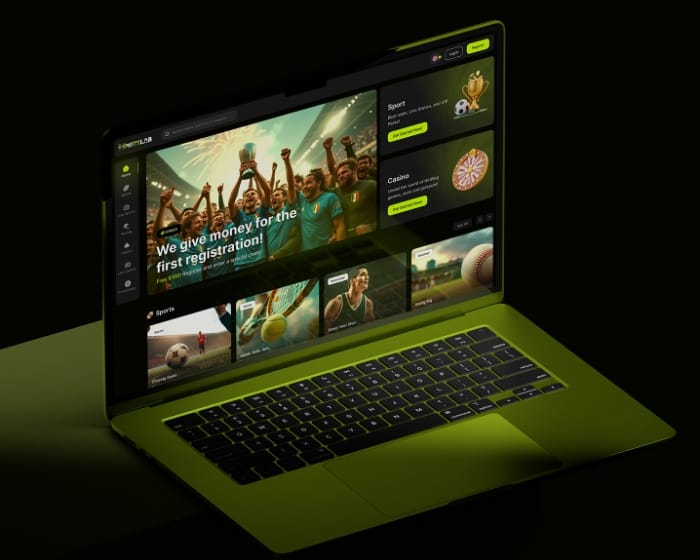
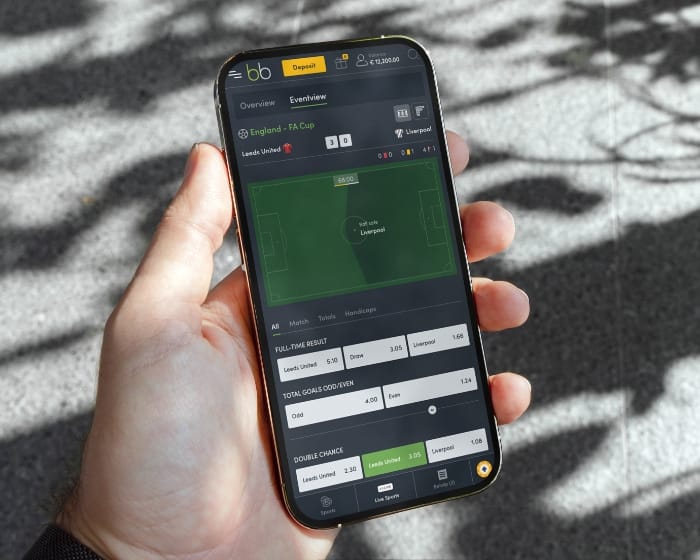
Our online casino platform offers a modular, scalable solution with player accounts, payments, game aggregation, promo tools, analytics, and compliance. With 10,000+ games and 500+ payment methods, it enables launches in just 4-12 weeks. Partner with a trusted casino software provider.
We design bespoke slots, crash titles, and table games in HTML5, combining stunning visuals with certified RNG math. As a leading casino game development company, we deliver multilingual interfaces, seamless omnichannel performance, and seasonal updates to keep players engaged and your brand unique.

Our white-label casino solution provides a fully licensed, fully managed platform tailored to your brand. With integrated payments, risk operations, top-tier content, and 24/7 support, marketing-driven operators can launch in under a month, no heavy CAPEX required. Partner with a leading casino software development company today.
From concept to post-launch optimization, our six-stage framework builds secure, high-performing online casinos. We use modern tools like Node.js, React, and AWS for speed, scale, and reliability.
01
Target markets, licenses, and risk matrix are crucial for any casino software development company. From online casino platform development to white label casino solutions, understanding these elements ensures compliance and success. A reliable casino game development company can guide you every step of the way.
02
Tech stack selection (Node.js, Java, Go, React, PostgreSQL, AWS, Kubernetes), streamlined data flow, and a robust scalability plan are crucial for success. Whether you’re building an online casino platform or need a white label casino solution, choosing the right casino software development company ensures seamless performance.
03
Responsive wireframes and player journey mapping are essential for creating user-friendly online casino platforms. A casino software development company leverages these tools to enhance design and gameplay. From white label casino solutions to game development, every element is crafted for seamless engagement.
04
Two-week sprints ensure agile development, with thorough QA and security testing during each cycle. This approach guarantees high-quality results, whether you’re working with a casino software development company or creating an online casino platform. Reliable, efficient, and secure from start to finish.
05
RNG, penetration testing, and jurisdiction filings are essential steps in ensuring a secure and compliant online casino platform. A trusted casino software development company focuses on these processes to deliver reliable solutions, whether for custom platforms or white label casino solutions.
06
Feature sprints, A/B testing, and uptime monitoring are essential for building robust online casino platforms. Whether you’re a casino software development company or need a white-label casino solution, these tools ensure reliability, seamless performance, and user satisfaction in every step.
We’ve been building and maintaining digital products long enough to know what breaks, what scales, and what “urgent” actually means.


At Studio Ubique, we specialize in custom casino software solutions for startups and medium businesses. As a trusted casino software development company, we deliver tailored platforms to help you succeed.
5.0

“Studio Ubique brought our vision to life with skill, passion, and precision, our website now truly reflects the soul of House of Books.”
5.0
“Project meets my expectations, good communication with the designer.”
5.0
“Simply outstanding. I am blown away by the not only the design expertise, but also the site functionality. Worth every dollar, and I will be coming back for more business. Do not look further - you found your developer here.”
5.0
“Fastest time ever for a premium website. Willing to make changes, always friendly and helpful - 100% recommend for start-ups and large businesses alike.”
5.0
“Studio Ubique’s flexible, creative approach and seamless collaboration boost our site’s design and impact, truly a trusted digital partner.”
5.0
“Great ideas, smooth communication, and a pleasure to work with, Studio Ubique made building our new website a seamless, collaborative process.”
5.0
“Studio Ubique earned our trust with their expertise and results. What started as one project grew into a long-term collaboration thanks to their consistent delivery and professionalism.”
5.0
“Studio Ubique understood our vision, responded fast to feedback, and kept the AGN website redesign smooth and efficient. A seamless, goal-driven collaboration from start to finish.”
5.0
“Studio Ubique built custom software that boosted our project tracking, saved time, and improved team collaboration, delivered on time, with solid communication and real technical skill. Demo requests went up 32% quarter over quarter. The dashboards show what to scale and what to pause, no guessing.”
5.0
“Great quality delivery in a fast time for a good price. I can´t really expect more from a service provider. Big recommendation!”
Most things you’re wondering about are answered here or on the FAQ page. If something’s missing, reach out, humans deserve clarity too.
Casino software development means the full stack, player accounts, wallet, payments, admin back office, game integrations, reporting, and compliance hooks. It’s more “fintech plus content” than “website plus vibes”.
You integrate KYC/AML vendors (ID checks, risk scoring, screening) and design flows around regulated markets. The tech supports compliance, it does not magically replace your license strategy.
Yes, if the platform uses a clean aggregation layer. Games push bet and win events, your wallet settles them, and reporting stays consistent across providers.
Online casino platform development includes the operating system behind the casino, wallets, player management, compliance, analytics, bonuses, and integrations. “Adding games” is one slice of that.
Most operators license games first, then add exclusives later. A casino game development company makes sense when you want proprietary titles, custom math models, or brand-driven mechanics.








Book a quick 30 min video call, we will show you exactly what to fix. We reply within 24 hours.